Phone:
(701)814-6992
Physical address:
6296 Donnelly Plaza
Ratkeville, Bahamas.

Phone:
(701)814-6992
Physical address:
6296 Donnelly Plaza
Ratkeville, Bahamas.
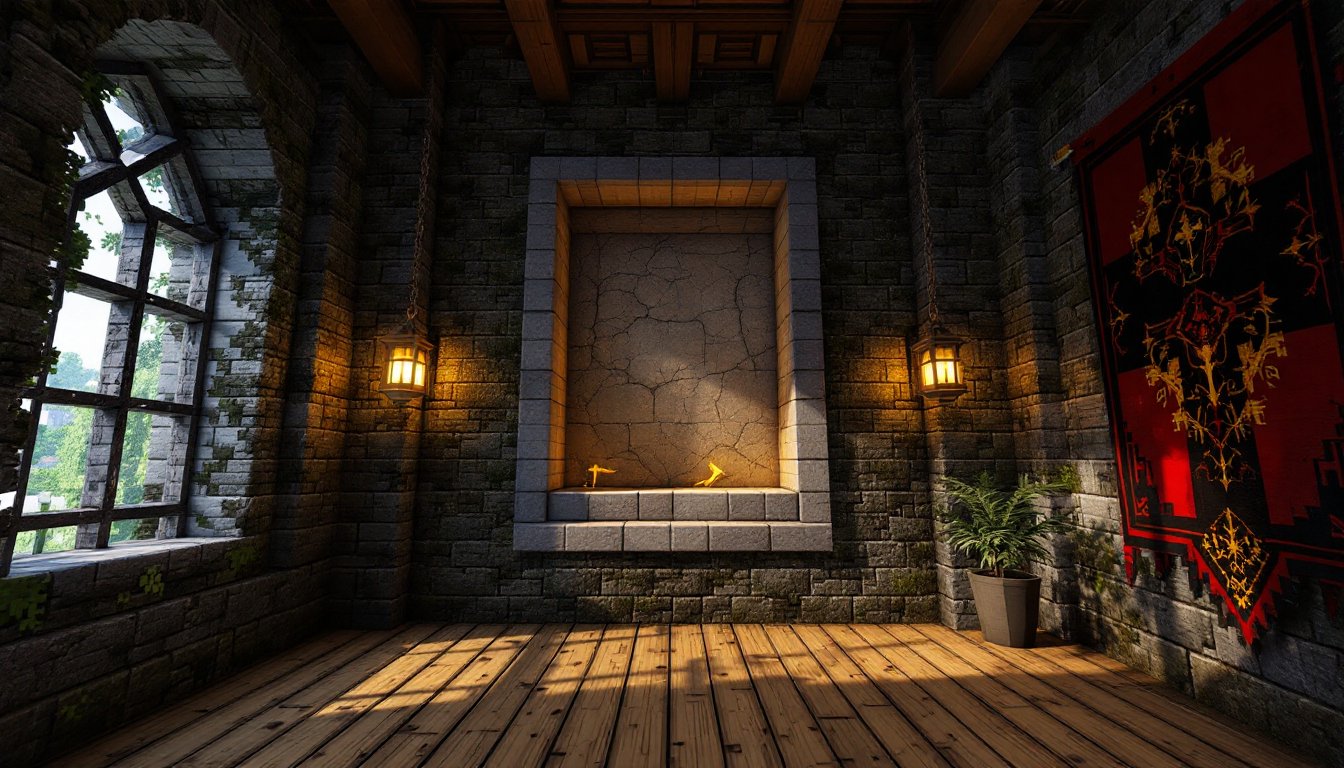
Minecraft builders often focus on exteriors and floor plans but overlook the walls that define each room’s character. Flat, single-block walls feel unfinished and make even grand builds feel hollow. Interior wall design transforms empty boxes into detailed, immersive spaces, whether it’s a medieval castle’s stone halls, a modern apartment’s sleek panels, or a cozy cottage’s timber framing. This guide walks through seven actionable techniques to add texture, depth, and personality to interior walls using block combinations, layering strategies, and decorative accents that work across survival and creative modes.
Interior walls occupy the largest visual surface area inside any structure. Plain walls of cobblestone, wood planks, or concrete create monotonous backdrops that fail to hold a player’s attention. Well-designed walls establish atmosphere, guide the eye, and reinforce a build’s theme without cluttering floor space.
Detailed walls also improve screenshots and video content. Viewers notice depth and variation, subtle striping, recessed panels, or material transitions signal care and craftsmanship. In multiplayer servers or shared creative projects, refined interiors distinguish experienced builders from beginners.
Functionally, wall design offers opportunities to integrate storage, lighting, and redstone components. A decorative wall niche can house a jukebox or item frame: vertical striping can conceal observer blocks or hidden doors. Thoughtful wall planning merges aesthetics with utility, making builds both beautiful and practical.
Block selection drives every successful interior wall. Builders should stock a primary block (the main wall material), a trim block (for edges and frames), and an accent block (for texture or contrast). Common pairings include oak planks with stripped oak logs and smooth stone, or white concrete with light gray concrete and polished andesite.
Wood varieties offer warm tones and natural grain patterns. Combining planks with logs, slabs, or trapdoors creates depth. Birch and acacia work well in modern or Scandinavian builds: dark oak and spruce suit rustic or medieval themes.
Stone and mineral blocks deliver durability and weight. Smooth stone, stone bricks, andesite, and deepslate variants provide neutral bases. Polished versions add refinement, while raw or cobbled textures evoke age or roughness.
Concrete and terracotta enable sharp color blocking for contemporary or artistic interiors. Their matte finish contrasts with glossy quartz or glazed terracotta, which introduce geometric patterns when rotated.
Stairs, slabs, trapdoors, and fences function as micro-detailing tools. Upside-down stairs create cornices: trapdoors mimic paneling or shutters: fences form vertical trim without occupying full block space. Keeping these in inventory expands design flexibility mid-build.
Mixing blocks within the same wall plane breaks up visual flatness. Vertical striping uses columns of alternating materials, place stripped logs or concrete pillars every two to four blocks across a plank or stone wall. This technique mimics timber framing in historical builds or accent walls in modern designs.
Horizontal banding layers slabs or full blocks of a secondary material at regular intervals. A stone brick wall with rows of polished andesite slabs every third block height adds rhythm. Builders can also use upside-down stairs along the top or bottom edge to create a subtle ledge or baseboard effect.
Checkerboard or scattered patterns randomize block placement for organic texture. Mixing stone bricks with cracked or mossy variants simulates weathering in dungeons or ruins. For wood walls, scattering in a few blocks of a darker or lighter plank type suggests varied lumber sources, common in rustic or farmhouse aesthetics.
Diagonal or chevron layouts require more planning but deliver striking results. Rotate stairs or place blocks in staggered rows to form herringbone or zigzag motifs. This works especially well with glazed terracotta, whose directional patterns amplify geometric effects.
These techniques work best when restrained, too many patterns clash. Choose one or two per room and let negative space (the primary block) balance the detail.
Flat walls feel two-dimensional. Layering pushes and pulls blocks to create shadow lines and three-dimensional relief. The simplest method: set the primary wall back one block and frame it with full-block pillars or borders. The recessed area reads as paneling, while the frame acts as trim.
Inset panels carve rectangular sections into walls using trapdoors, fences, or thin blocks like panes and iron bars. Outline a panel area with dark oak trapdoors on a white concrete wall, then fill the interior with a contrasting texture or leave it open for depth. This evokes wainscoting or gallery walls.
Button and trapdoor micro-layers add texture without consuming floor space. Placing trapdoors flush against a wall in a grid pattern mimics tiled surfaces or paneling. Buttons (especially stone or polished blackstone) scattered across a wall suggest rivets, studs, or decorative nailheads on industrial or steampunk builds.
Stairs and slabs for cornices define ceiling-wall transitions. Run upside-down stairs along the top of a wall to form a crown molding. Slab layers midway up the wall create chair rails or picture rails, breaking tall walls into proportioned sections.
Layering demands the wall to be at least two blocks thick internally, which reduces interior floor space. Plan room dimensions accordingly, most builds benefit from walls that are two or three blocks deep to accommodate these techniques without cramping the interior.
Beyond block choice and layering, decorative elements personalize walls and signal room function. Paintings and item frames are the most accessible options. Arrange paintings in gallery clusters or use item frames with maps, banners, or renamed items to display custom art. Glow item frames (crafted with glow ink sacs) highlight featured pieces.
Banners offer customizable patterns and colors. Hang them vertically as tapestries or heraldic decorations in castles and great halls. Combining banner patterns through a loom creates intricate designs that reflect faction colors or thematic motifs.
Shelving and storage integrate function with form. Wall-mounted barrels, chiseled bookshelves (introduced in recent updates), or item frames holding tools and ingredients suggest lived-in spaces. In kitchens, item frames with food items or flower pots with crops add practical detail.
Lighting shapes mood and visibility. Lanterns hung from chains, wall-mounted torches, or sea lanterns embedded behind iron bars or trapdoors create ambient glow without cluttering floors. Redstone lamps and daylight sensors enable dynamic lighting that responds to time or player input.
Greenery softens hard surfaces. Vines draping down stone walls evoke overgrown ruins: potted plants or hanging roots (from lush caves biomes) bring organic contrast to wood or concrete interiors. Glow berries on cave vines provide both decoration and soft light.
Arrange elements asymmetrically for natural appeal, perfectly centered layouts can feel rigid. Leave some wall sections bare to let detailed areas breathe.
Different build themes demand distinct wall treatments. Matching materials and techniques to the intended atmosphere ensures cohesive design.
Medieval/Fantasy: Stone bricks, cobblestone, and andesite form the base. Add vertical oak or dark oak log beams for timber framing. Use cracked or mossy variants sparingly to suggest age. Hang banners, mount lanterns, and incorporate arched doorways with stairs or slabs. Exposed “rafters” using fences or trapdoors on the ceiling add structural realism.
Modern/Contemporary: White, light gray, or black concrete creates clean canvases. Use quartz, smooth stone, or polished diorite for trim. Horizontal banding with slabs or stair ledges emphasizes sleek lines. Large glass pane sections break up solid walls. Minimalist item frames, single paintings, or abstract banner designs maintain the uncluttered aesthetic.
Rustic/Cottage: Mix wood plank types (oak, birch, spruce) with stripped logs for natural variation. Add stone or brick foundations at floor level. Exposed log beams, hanging lanterns, flower pots with crops, and item frames displaying tools reinforce the homey, handmade feel. Small windows with shutters (trapdoors) enhance coziness.
Industrial/Steampunk: Stone bricks, polished andesite, and dark prismarine mimic metal and concrete. Iron bars, dark oak trapdoors arranged as paneling, and buttons as rivets add mechanical texture. Redstone lamps, exposed hoppers, or furnaces integrated into walls suggest functionality. Chains, anvils, and cauldrons serve as decorative anchors.
Futuristic/Sci-Fi: Smooth quartz, prismarine, cyan or light blue concrete, and sea lanterns create high-tech surfaces. Use end rods, observers (their faces resemble sensors), and glazed terracotta for circuitry-like patterns. Hidden lighting behind blocks or redstone-activated panels add interactivity.
Each theme benefits from consistency, stick to a defined palette and avoid mixing too many styles within a single interior unless deliberately creating an eclectic or transitional space.
Interior wall design in Minecraft separates generic builds from memorable creations. By combining thoughtful material selection, textured block patterns, depth through layering, and theme-appropriate decorative elements, builders craft interiors that feel intentional and immersive. Start with one technique per room, experiment with block combinations in creative mode, and refine based on the build’s overall aesthetic. Well-designed walls don’t just fill space, they tell a story and invite exploration.
