Phone:
(701)814-6992
Physical address:
6296 Donnelly Plaza
Ratkeville, Bahamas.

Phone:
(701)814-6992
Physical address:
6296 Donnelly Plaza
Ratkeville, Bahamas.
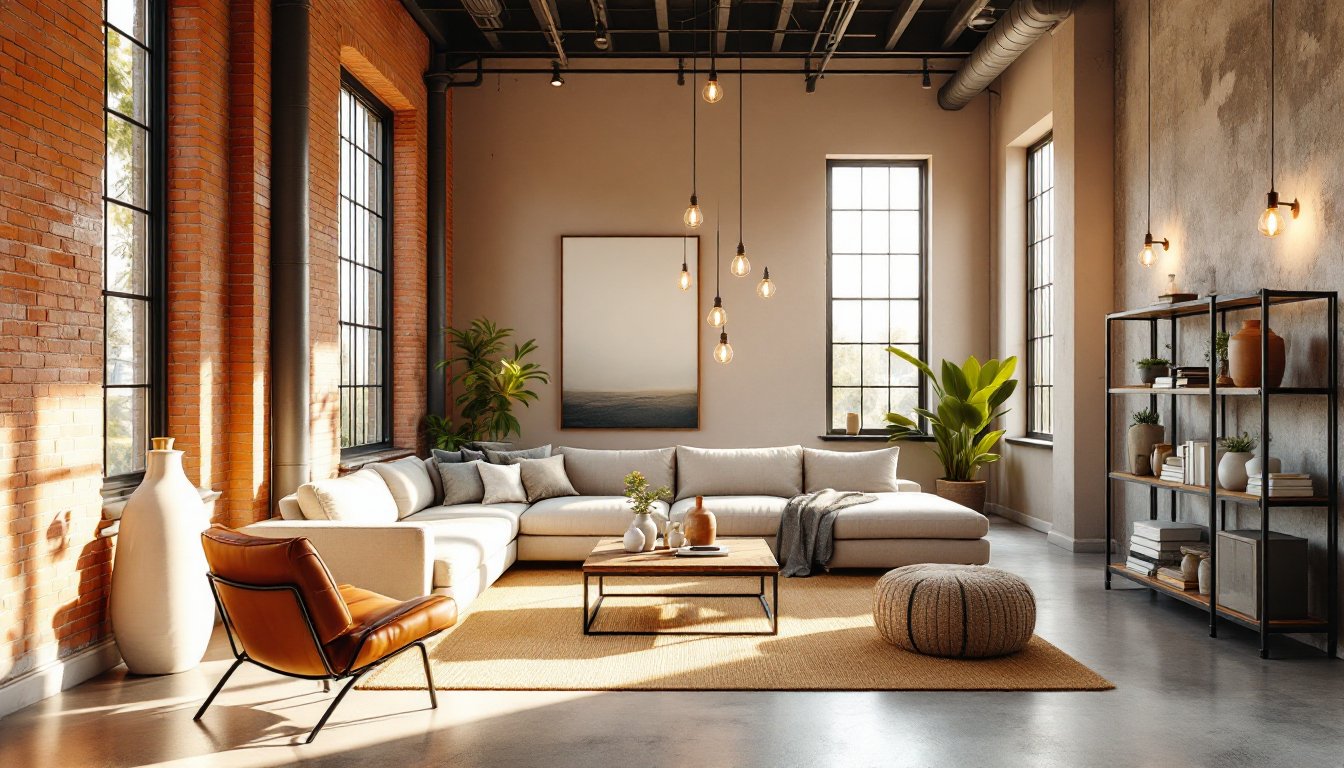
Industrial modern interior design strips away the unnecessary and celebrates what’s often hidden, exposed beams, raw concrete, steel framing. It’s a look born from converted warehouses and loft spaces, now adapted for homes that want character without clutter. This style combines the honest materials and utilitarian roots of industrial design with the clean lines and functional simplicity of modern aesthetics. The result? Spaces that feel both lived-in and intentional, where a steel I-beam can share a room with sleek, minimalist furniture. For DIYers and renovators, industrial modern offers flexibility, it works in a downtown condo or a suburban ranch, and many elements can be achieved with sweat equity rather than a full contractor budget.
Industrial modern interior design merges two distinct aesthetics into one cohesive style. The industrial side draws from early 20th-century factories and workshops, think exposed brick, visible ductwork, concrete floors, and metal fixtures. The modern component brings in mid-century and contemporary influences: clean geometric lines, open floor plans, minimal ornamentation, and a focus on function.
Unlike pure industrial style, which can feel cold or unfinished, industrial modern softens the edges. A home might feature exposed steel beams overhead but pair them with a low-profile sectional in neutral linen. Concrete floors get warmed up with area rugs in natural fibers. Metal pendant lights hang above a wood dining table with live edges. The key is balance, raw materials tempered by thoughtful, streamlined furnishings.
This style thrives in spaces with good bones. High ceilings, large windows, and open layouts are ideal, but even smaller rooms can adopt industrial modern touches. A homeowner doesn’t need a converted warehouse to make it work: exposing one brick wall, swapping out trim for metal accents, or choosing the right lighting can shift the entire feel of a room.
Industrial modern celebrates materials in their most honest forms. Exposed brick, whether original to the structure or achieved with thin brick veneer, adds texture and history. If a wall has brick behind drywall, removing the drywall is straightforward, just check first that it’s not load-bearing and wear a dust mask and safety goggles during demo.
Concrete appears in floors, countertops, and even accent walls. Polished concrete floors are durable and low-maintenance, though they require proper sealing (typically a penetrating sealer reapplied every 2-3 years depending on traffic). For DIYers, concrete overlay products can mimic the look on existing subfloors without full demolition. Expect coverage around 100 square feet per mixed bag for a ⅛-inch overlay.
Metal elements, steel beams, black iron pipe shelving, aluminum window frames, bring industrial grit. Exposed ductwork and conduit contribute to the unfinished aesthetic. But, leave electrical and HVAC work to licensed professionals. Visible wiring must meet NEC (National Electrical Code) requirements, and improper duct rerouting can affect airflow and efficiency.
Wood, especially reclaimed or rough-sawn lumber, softens the harder materials. Barn wood accent walls, butcher block counters, and thick wood shelving introduce warmth. When using reclaimed wood, inspect for nails, treat for pests if sourced from old structures, and allow material to acclimate indoors for at least 48 hours before installation to prevent warping.
Industrial modern leans heavily on a neutral base: grays, blacks, whites, taupes, and warm browns. These shades let materials and textures take center stage. Wall paint typically stays in the greige or soft gray family, colors like Sherwin-Williams Repose Gray or Benjamin Moore Revere Pewter are popular choices. One gallon covers roughly 350-400 square feet, so a 12×14 room needs about a gallon per coat (two coats recommended).
Accent colors are used sparingly but deliberately. Deep charcoal, matte black, rust orange, olive green, or navy can appear in furnishings, artwork, or a single accent wall. The goal isn’t to add pattern or busy prints, solid colors and natural textures do the work.
Metallic finishes, brushed nickel, oil-rubbed bronze, raw steel, aged copper, add dimension without color. Light fixtures, cabinet hardware, and plumbing fixtures in these finishes reinforce the industrial vibe. Mixing metals is acceptable here: a space might combine black iron pipe shelves with brushed steel appliances and copper pendant lights, as long as the overall palette stays cohesive.
Start with the largest surfaces: walls, floors, and ceilings. If the space has drywall over brick or block, consider selective removal to expose sections. Always verify structural integrity before removing wall material, if unsure, consult a structural engineer. For renters or those not ready to demo, brick veneer panels or peel-and-stick brick wallpaper offer a workaround, though they lack the authentic texture.
For flooring, polished concrete is the gold standard, but installation is labor-intensive and may require subfloor reinforcement (check local building codes for floor load ratings). Alternatives include luxury vinyl plank (LVP) in concrete or weathered wood looks, or sealed hardwood with a matte finish. Avoid high-gloss floors, they read too formal for industrial modern.
Ceilings present opportunity. If the home has a dropped ceiling hiding beams or ductwork, removing panels can add height and character. Exposed floor joists (in basements or top floors) can be left raw or painted matte black. If the structure uses engineered lumber or the joists aren’t visually appealing, consider adding faux beams, hollow wood or polyurethane versions install with construction adhesive and hidden brackets.
Lighting is critical. Swap builder-grade fixtures for industrial pendants, track lighting with Edison bulbs, or metal cage sconces. Wire pendants in matching heights over islands or dining tables: for an 8-foot ceiling, hang fixtures 30-36 inches above the table surface. For ambient light, use dimmable LED bulbs (2700K-3000K color temperature) to maintain warmth.
Window treatments should be minimal. Leave windows bare if privacy isn’t an issue, or use simple roller shades, metal blinds, or canvas drapes on industrial pipe rods. Skip ornate curtain hardware and layers of fabric.
Add furniture and decor with restraint. Choose pieces with clean lines and mixed materials, a leather sofa with a steel frame, a glass coffee table on a reclaimed wood base, metal stools with wood seats. Keep surfaces uncluttered: industrial modern doesn’t accommodate tchotchkes.
For DIY shelving, black iron pipe and reclaimed wood is a straightforward project. Use ¾-inch black pipe (available at hardware stores), flanges, elbows, and 1×12 or 2×10 boards (actual dimensions: ¾”x11¼” and 1½”x9¼”). Anchor flanges into wall studs with 3-inch wood screws, drywall anchors won’t support heavy loads. Apply a matte poly or Danish oil to the wood, let cure 24 hours, then assemble.
Furniture should balance form and function. Look for pieces with metal frames, wood tops, and leather or canvas upholstery. A dining table with a steel base and thick wood plank top exemplifies the style. Coffee tables made from factory carts, reclaimed wood, or steel and glass work well. Avoid anything overly ornate, tufted, or pastel.
Seating options include leather club chairs, metal stools, and low-profile sofas in neutral fabrics. Industrial modern favors straight arms and exposed legs over skirted or heavily cushioned styles. If buying vintage or secondhand (common for this aesthetic), inspect metal frames for rust and structural soundness, surface rust can be wire-brushed and sealed, but compromised welds or bent frames aren’t worth the risk.
Storage is utilitarian. Metal lockers, steel filing cabinets, wire grid shelving, and wood crates serve as functional decor. Open shelving is preferred over closed cabinetry, keeping sightlines clear and reinforcing the unfinished feel. Use storage to display items with visual interest, tools, books, ceramics, not as a catchall.
Decor should be minimal and purposeful. Large-scale black-and-white photography, abstract art in neutral tones, or vintage industrial signage fits the vibe. Avoid busy prints, florals, or overly decorative objects. Plants in simple terracotta, concrete, or metal planters add life without clutter, snake plants, rubber trees, and fiddle-leaf figs handle lower light and require minimal fuss.
Textiles provide necessary softness. Throws and pillows in wool, linen, canvas, or leather keep the palette neutral but add tactile contrast. Area rugs in jute, sisal, or low-pile wool define zones in open layouts. Avoid shag, high-gloss, or bright patterns.
Lighting fixtures are both functional and sculptural. Look for Edison bulb pendants, tripod floor lamps, articulated desk lamps, and metal cage chandeliers. Exposed filament bulbs work aesthetically but consume more energy than LEDs, consider LED filament-style bulbs as a compromise. Install fixtures on dimmer switches for control over ambiance (use compatible LED dimmers to avoid flickering).
When shopping, mix new and salvage. Architectural salvage yards often carry industrial lighting, factory furniture, and metal fixtures at a fraction of retail. Inspect salvaged electrical fixtures carefully and have them rewired if needed, old cloth wiring doesn’t meet current code and poses a fire risk.
Industrial modern interior design doesn’t demand a blank-slate loft or unlimited budget. It rewards homeowners willing to expose, simplify, and edit. The style works because it’s grounded in real materials and honest construction, things DIYers can see, touch, and often install themselves. Approach it room by room, prioritize structural and material changes first, and layer in furniture and decor with intention. The result is a space that feels both grounded and elevated, where every beam and bolt has a reason to be there.
