Phone:
(701)814-6992
Physical address:
6296 Donnelly Plaza
Ratkeville, Bahamas.

Phone:
(701)814-6992
Physical address:
6296 Donnelly Plaza
Ratkeville, Bahamas.
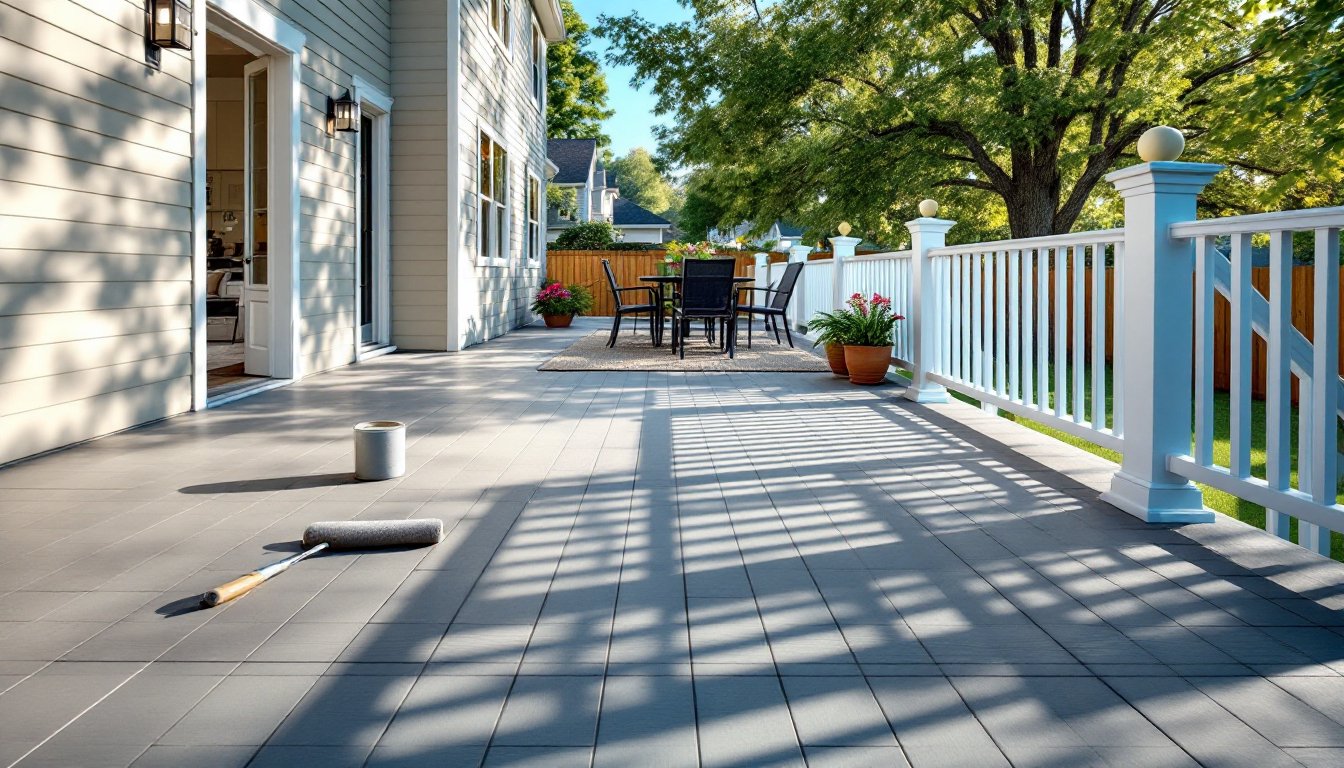
A fresh coat of paint can turn a weathered deck into the centerpiece of a backyard. Whether it’s a ground-level platform or a second-story outdoor room, color does more than protect the wood, it sets the tone for cookouts, morning coffee, and late-summer evenings. But choosing the wrong shade or finish can make the space feel mismatched with the home’s exterior, fade prematurely, or show every scuff mark. The right deck paint idea balances aesthetics, durability, and maintenance. This guide covers classic and contemporary color schemes, two-tone designs, paint types, and prep techniques to help homeowners make decisions that last through rain, snow, and UV exposure.
Deck paint isn’t just a cosmetic choice, it’s the first line of defense against moisture, mildew, and UV damage. A well-chosen color can make a small yard feel larger, tie together mismatched siding and trim, or create a seamless flow from indoors to out.
Heat absorption varies dramatically by color. Dark grays and blacks can reach surface temperatures 20–40°F hotter than lighter tones on sunny days, making barefoot traffic uncomfortable and accelerating paint degradation. Lighter shades reflect more sunlight, keeping the surface cooler and extending the life of the coating.
Color also affects perceived space. Cool tones (grays, blues, greens) tend to recede visually, making a deck feel more expansive. Warm tones (reds, browns, oranges) advance, creating a cozier, more intimate vibe. Homeowners should consider the deck’s size, surrounding landscape, and how the color interacts with the home’s existing palette, siding, shutters, trim, and roofing.
Finally, resale appeal matters. Neutral tones tend to appeal to a broader audience, while bold colors can be polarizing. If a homeowner plans to sell within a few years, safer choices like gray, taupe, or soft brown offer flexibility without locking future buyers into a specific aesthetic.
Some colors have staying power because they work with nearly any architectural style and landscape.
Weathered Gray: This remains the most popular deck color in 2026. It mimics natural wood aging, hides dirt and pollen between cleanings, and pairs well with white, black, or navy trim. A medium gray works on both traditional colonials and modern builds.
Warm Taupe: A step warmer than gray, taupe brings a soft, earthy feel without the orange tones of older brown stains. It complements brick, stone, and cedar siding, and doesn’t show dust as readily as true gray.
Classic Brown: Oil-based or acrylic solid stains in chocolate or chestnut brown still hold appeal for homeowners who want a wood-like appearance with full hide coverage. It’s a safe bet for ranch-style homes and rustic settings.
Soft Beige: Lighter than taupe, beige reflects heat well and suits coastal or cottage-style homes. It pairs beautifully with white railings and can make a small deck feel airy. Be aware that beige shows mildew more readily in shaded or damp climates, plan for annual cleaning with a deck cleaner rated for mildew removal.
Charcoal: Darker than medium gray but not quite black, charcoal offers modern contrast against lighter siding. It works especially well on composite or PVC decking, though it will run hot in direct sun. If painting wood, ensure the substrate is dry and primed to prevent tannin bleed-through.
For homeowners ready to make a statement, bolder hues can transform a deck into an outdoor living room with personality.
Navy Blue: Deep navy has surged in popularity, especially on homes with white or light gray siding. It reads as sophisticated rather than playful, and it hides wear better than lighter blues. Pair it with brass or black hardware for a refined look.
Forest Green: Dark green blends beautifully with surrounding foliage and works well in wooded or shaded lots. It’s a natural choice for cabins, Craftsman-style homes, or properties with heavy landscaping. Avoid bright or lime greens, they fade quickly and rarely age well.
Slate Blue: Softer than navy but still saturated, slate blue offers a contemporary vibe without going too bold. It pairs well with natural wood accents and complements both warm and cool siding tones.
Black: True black decks are polarizing but undeniably modern. They create dramatic contrast, especially against white or light-toned homes. Expect high surface temperatures, this is best reserved for shaded decks or northern climates. Use a high-quality acrylic formula with UV inhibitors to prevent chalking and fading.
Terracotta or Rust: Warm, earthy reds work well in Southwestern or Mediterranean-style settings. They pair with stucco, stone, and desert landscaping. These tones can look dated if not executed carefully, stick to muted, clay-inspired shades rather than bright orange-reds.
Using multiple colors adds visual interest and can define functional zones, dining areas, walkways, or seating nooks.
Contrasting Deck and Railings: One of the simplest two-tone approaches is painting the deck floor one color and the railings another. A gray deck with white railings is classic: a charcoal deck with black railings reads modern and sleek. This method also makes railing repairs or repaints easier down the line.
Border Frames: Painting the perimeter boards a contrasting color creates a border effect, similar to a picture frame. A dark gray center with a lighter gray or white border visually expands the deck and breaks up large expanses of color. This works especially well on larger decks (200+ square feet).
Striped Patterns: Alternating deck board colors, gray and white, or navy and natural wood tone, can give a nautical or contemporary feel. This requires precise taping and patience, but the effect is striking. Use painter’s tape rated for outdoor use and remove it while the paint is still slightly tacky to avoid peeling.
Geometric Zones: For sprawling multi-level decks, painting different sections in coordinating colors helps distinguish spaces: a darker tone for the dining area, a lighter shade near the stairs. Keep the palette cohesive, two or three colors max, all from the same family or complementary on the color wheel.
Note: Multi-color designs increase labor and material costs. Budget extra time for taping, drying between coats, and touch-ups. They also complicate future maintenance, touch-ups must match multiple shades.
Not all deck paints perform equally. The wrong product leads to peeling, premature wear, and wasted weekends.
Solid Stain vs. Paint: Solid stains penetrate slightly into the wood and offer a flatter, more natural finish. They’re easier to maintain, scuff marks are less obvious, and recoating doesn’t always require full stripping. Deck paint (acrylic latex or oil-based) sits on the surface, provides more color options, and creates a uniform, opaque finish. For previously painted decks, paint is usually the best choice. For bare or lightly stained wood, solid stain may offer better adhesion and longevity.
Acrylic Latex: The most common choice in 2026. It cleans up with water, dries fast (usually 2–4 hours between coats), resists mildew, and remains flexible as the wood expands and contracts. Look for formulas labeled specifically for horizontal surfaces, they contain more binders and harder resins to withstand foot traffic.
Oil-Based Paint: Offers excellent adhesion and a tough finish but requires mineral spirits for cleanup, has longer dry times (6–8 hours or more), and is increasingly restricted in some jurisdictions due to VOC regulations. It’s worth considering for high-traffic decks in dry climates.
Porch and Floor Paint: These are engineered for abrasion resistance and are typically available in satin or semi-gloss finishes. Satin hides imperfections better and offers slight sheen: semi-gloss is easier to clean but shows every scratch and board seam.
Always check the product’s coverage rate, most quality deck paints cover 250–350 square feet per gallon on smooth surfaces. Rough-sawn or weathered wood may cut that in half.
Even the best paint fails without proper prep and application.
Surface Prep Is Everything: Start by sweeping and power washing the deck to remove dirt, mildew, and loose material. Use a deck cleaner or a mix of oxygen bleach (not chlorine) and water for deep cleaning. Allow 48–72 hours of dry weather before painting, moisture trapped under paint causes blistering and peeling. Check moisture content with a pin-type moisture meter if possible: wood should be below 15%.
Sand and Repair: Lightly sand glossy or previously painted surfaces with 80-grit sandpaper to promote adhesion. Fill cracks and nail holes with exterior-grade wood filler. Replace any spongy or rotted boards, paint won’t fix structural issues.
Prime When Needed: Bare wood, especially tannin-rich species like cedar or redwood, benefits from a stain-blocking primer to prevent bleed-through. Newer acrylic deck paints often include primer, but read the label. When in doubt, prime.
Apply Thin, Even Coats: Two thin coats outperform one thick coat every time. Use a 4-inch synthetic brush for railings and edges, and a 9-inch roller with a 3/8-inch nap for flat surfaces. Work in manageable sections and maintain a wet edge to avoid lap marks. Paint in temperatures between 50°F and 85°F and avoid direct sun or rain within 24 hours.
Safety Gear: Wear safety glasses, a dust mask during sanding, and nitrile gloves when handling cleaners or paint. Ensure proper ventilation if using oil-based products.
Maintenance: Plan to clean the deck annually and recoat high-traffic areas every 2–3 years. Catching wear early extends the life of the entire finish.
A well-painted deck does more than look good, it protects the investment, expands usable living space, and sets the mood for everything that happens outdoors. Whether leaning toward timeless grays, bold navy, or a custom two-tone design, the key is matching color choice with quality materials and thorough prep. Take the time to clean, repair, and prime. Choose a paint formulated for horizontal surfaces and foot traffic. And don’t skip the second coat. Done right, a deck paint job can look sharp and hold up for years, turning a tired platform into a space worth spending time on.