Phone:
(701)814-6992
Physical address:
6296 Donnelly Plaza
Ratkeville, Bahamas.

Phone:
(701)814-6992
Physical address:
6296 Donnelly Plaza
Ratkeville, Bahamas.
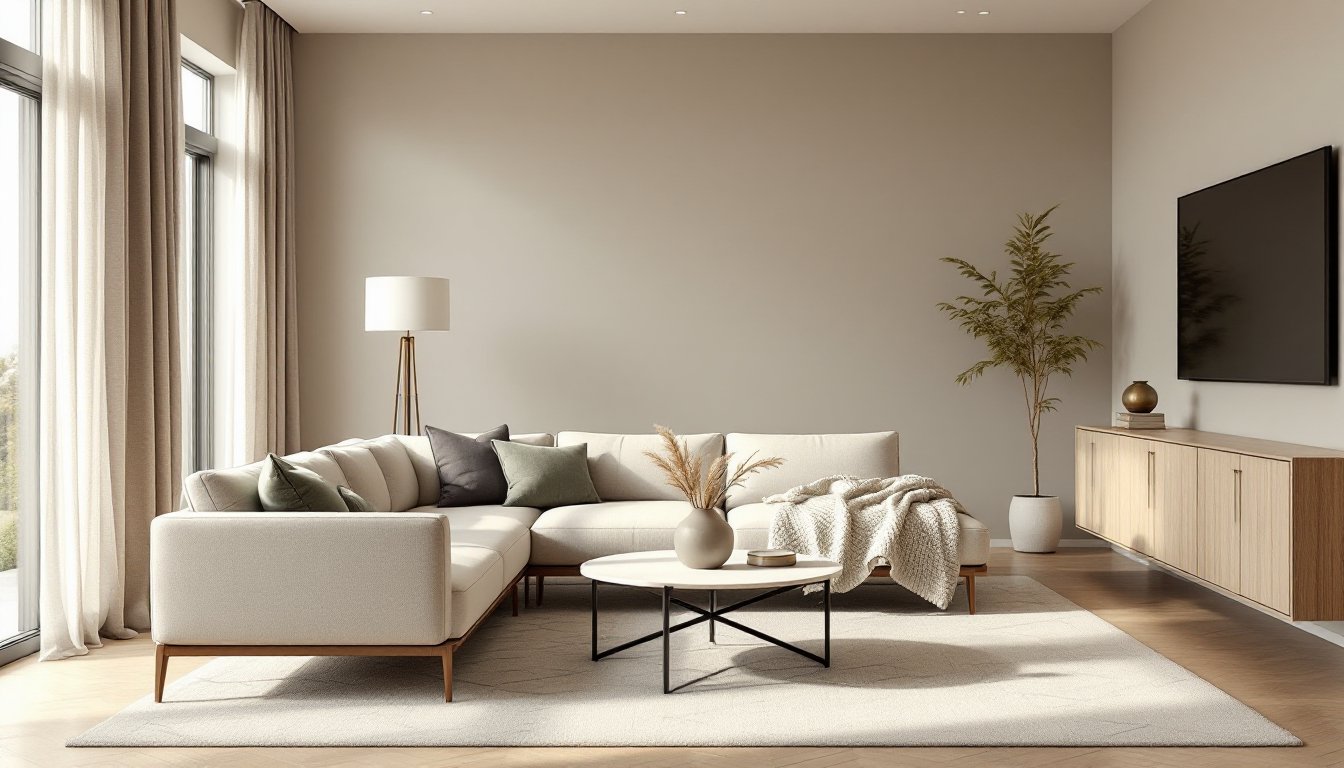
Contemporary interior design continues to evolve, but its core principles remain anchored in clean aesthetics, functional layouts, and deliberate material choices. Unlike trendy styles that fade within a season, contemporary design adapts with cultural shifts while maintaining a timeless foundation. A well-executed contemporary living room balances minimalism with livability, it’s not about emptiness, but intentionality. Homeowners tackling this style need to understand the interplay between color, form, texture, and light. This guide breaks down seven essential elements that define a contemporary living room in 2026, with practical advice for material selection, layout decisions, and finishing touches that elevate the space.
Contemporary design reflects what’s current, not a fixed historical period like mid-century modern or Art Deco. It borrows from multiple movements but prioritizes simplicity, neutral palettes, and uncluttered spaces. In 2026, contemporary living rooms emphasize sustainability, natural materials, and flexible functionality as remote work and multipurpose spaces remain common.
Key characteristics include clean architectural lines, open floor plans, and a restrained use of ornamentation. Trim work tends toward simple profiles, flat casing or minimal reveals rather than ornate crown molding. Walls are often painted in soft neutrals (warm whites, greiges, soft taupes) to create a calm backdrop.
Contemporary spaces favor horizontal emphasis, low-profile sofas, streamlined media consoles, and wide windows that draw the eye across the room rather than up. Built-ins and cabinetry typically feature slab doors (flat panel, no raised details) with concealed hinges and integrated pulls.
Floor materials lean toward wide-plank hardwood (7″ to 9″ widths), polished concrete, or large-format tile (24″ × 24″ or larger). Luxury vinyl plank (LVP) in matte finishes works as a budget alternative, especially products with rigid core construction for stability.
This isn’t about sterile minimalism. Contemporary living rooms incorporate warmth through texture, layered lighting, and curated accents, but every element serves a purpose.
Contemporary color schemes start with a neutral foundation and build from there. Base walls in shades like Benjamin Moore’s Chantilly Lace (a soft white) or Sherwin-Williams’ Agreeable Gray provide flexibility. Accent walls, when used, stay within the same tonal family, perhaps a deeper taupe or charcoal rather than bold contrast colors.
In 2026, warm neutrals have overtaken the cool grays of the past decade. Expect to see more beige, cream, terracotta, and muted sage. These hues pair well with natural wood tones that aren’t too orange or red, think white oak, walnut, or light ash.
Material authenticity matters. Contemporary design favors real wood, stone, metal, and glass over synthetic imitations. Countertops in living room bar areas or built-in shelving might use quartz slabs (Caesarstone, Silestone) in honed or matte finishes rather than polished granite. Metal accents trend toward brushed brass, matte black steel, or unlacquered brass that develops patina over time.
Fabric choices include linen, wool, cotton blends, and performance textiles (Crypton, Sunbrella) for families with kids or pets. Avoid overly shiny synthetics, contemporary interiors embrace a tactile, understated quality.
When selecting paint, use flat or matte finishes on walls for a velvety appearance, reserving eggshell or satin for trim to ease cleaning. One gallon of quality paint typically covers 350–400 square feet per coat: a standard 15′ × 18′ living room with 8′ ceilings requires roughly 2–3 gallons for two coats, accounting for doors and windows.
Contemporary furniture rejects ornamentation. Sofas feature straight arms or track arms, exposed legs (tapered wood or metal), and tight upholstery without tufting or piping. Sectionals in modular configurations work well for open-concept spaces, offering flexibility as needs change.
Seat height on contemporary sofas typically ranges from 17″ to 19″ from the floor, slightly lower than traditional styles. Deep seats (24″ or more) provide comfort but require ample floor space. Measure doorways and hallways before ordering: many contemporary pieces have wide profiles that complicate delivery.
Coffee tables and side tables emphasize mixed materials, a walnut top with matte black metal legs, or a marble surface on a brass base. Heights should align functionally: coffee tables sit 16″ to 18″ high, roughly level with sofa seat cushions. Avoid glass if young children are in the home: tempered glass is safer but not indestructible.
Storage solutions remain critical in contemporary design. Media consoles with soft-close drawers and cable management cutouts keep electronics tidy. Floating shelves (mounted with heavy-duty brackets rated for the load, typically 50–100 lbs per bracket depending on span) display books and objects without visual bulk.
When installing floating shelves, locate studs with a stud finder and use 3″ construction screws into solid framing. If studs don’t align with desired placement, toggle bolts rated for drywall can work, but weight capacity drops significantly.
Dining or accent chairs might feature molded plywood (Eames-inspired designs), molded plastic, or upholstered shells. Prioritize comfort, contemporary doesn’t mean uncomfortable. Test seating in person when possible.
Lighting is where many DIY contemporary projects fall short. A single overhead fixture creates harsh shadows and flattens the room. Effective contemporary lighting uses three layers: ambient, task, and accent.
Ambient lighting provides overall illumination. Recessed LED cans (4″ or 6″ diameter) work well, spaced roughly 4–6 feet apart depending on ceiling height and desired brightness. Aim for 20–30 lumens per square foot in living spaces. A 200-square-foot room needs 4,000–6,000 lumens total, divided among fixtures. Use dimmable LED bulbs (2700K–3000K color temperature for warm white) to adjust mood.
Installing recessed lighting in an existing ceiling requires cutting drywall and running electrical cable. This often means working in an attic or crawl space. If ceiling joists run perpendicular to desired fixture locations, installation is simpler: parallel joists may require reframing. This is not a beginner project, consider hiring a licensed electrician, especially for homes built before 1985 where knob-and-tube wiring or aluminum wiring might be present. Always turn off power at the breaker and verify with a non-contact voltage tester before touching wires.
Task lighting includes floor lamps near reading chairs, adjustable sconces flanking a sofa, or under-cabinet LEDs if built-ins exist. Contemporary fixtures favor geometric shapes, cylinders, spheres, linear bars, in matte black, brushed nickel, or natural brass.
Accent lighting highlights art, architectural features, or textured walls. Track lighting with adjustable heads or picture lights mounted above framed pieces work well. LED strip lighting (installed in coves or behind floating shelves) creates indirect glow.
Avoid mixing too many metal finishes. Stick to two, perhaps matte black fixtures with brushed brass accents, for cohesion.
Contemporary interiors can feel cold without thoughtful texture. Smooth surfaces (glass, polished metal, glossy tile) need counterbalance from rougher, organic elements.
Textiles add immediate warmth. Layering a wool or jute area rug (8′ × 10′ for most living rooms, with front furniture legs resting on the rug) grounds the seating area. Pile height for contemporary rugs stays low to medium (0.25″ to 0.5″), high shag feels dated. Rug pads (felt and rubber combination) prevent slipping and extend rug life.
Throw pillows in varied fabrics, linen, boucle, velvet, introduce tactile interest without pattern overload. Contemporary design uses pattern sparingly: geometric prints, abstract shapes, or subtle stripes rather than florals or busy motifs.
Window treatments soften hard architectural lines. Floor-to-ceiling linen drapes in neutral tones add elegance. Mount curtain rods 4″ to 6″ above the window frame and extend brackets 8″ to 12″ beyond the frame on each side, allowing drapes to stack off the glass when open. Use drapery rings with clips for easy adjustment or grommets for a modern look.
Alternatively, roller shades or cellular shades in light-filtering fabrics provide privacy and insulation without visual weight. Blackout options work for media rooms.
Wood accents, a live-edge console, a walnut bookshelf, reclaimed wood wall paneling, ground contemporary spaces. Ensure wood is properly dried and acclimated to your home’s humidity (let lumber sit 48–72 hours before installation) to prevent warping.
Throw blankets draped over a sofa arm, a chunky knit pouf, or a ceramic sculptural vase add layers without clutter.
Contemporary living rooms prioritize circulation and sightlines. Furniture floats away from walls in larger spaces, creating intimate conversation zones rather than perimeter seating.
Traffic paths should be 30″ to 36″ wide, enough for two people to pass comfortably. Avoid placing furniture where it blocks natural flow from entryways to other rooms.
Focal points anchor the layout. In many homes, this is a fireplace or media wall. Arrange seating to face the focal point, with sofa and chairs 8′ to 10′ apart for comfortable conversation. Coffee tables sit 14″ to 18″ from the sofa edge, close enough to reach a drink, far enough to avoid knee bumps.
If the room lacks an architectural focal point, create one. A large-scale piece of art (36″ × 48″ or larger), a floor-to-ceiling bookshelf, or a statement media console with integrated shelving draws the eye.
Open floor plans benefit from area rugs that define zones, one rug under the seating area, another under a dining table if the spaces share square footage. Use consistent flooring throughout to maintain visual continuity: avoid abrupt transitions between materials.
Built-ins offer contemporary storage without eating into square footage. A wall of floor-to-ceiling cabinetry (30″ deep upper cabinets, 12″ deep lowers for media equipment) costs $3,000–$8,000 installed, depending on materials and region, but adds significant value and function.
Ensure furniture scale matches room size. Oversized sectionals overwhelm small rooms: delicate pieces disappear in large, high-ceilinged spaces. Measure twice, and use painter’s tape on the floor to mock up furniture footprints before purchasing.
A contemporary living room isn’t a magazine fantasy, it’s a livable, adaptable space built on intentional choices. Prioritize quality materials over trendy finishes, invest in proper lighting infrastructure, and don’t skip the texture. These elements work together to create a room that feels current without being dated in three years. Take measurements seriously, plan for function first, and the style will follow.
