Phone:
(701)814-6992
Physical address:
6296 Donnelly Plaza
Ratkeville, Bahamas.

Phone:
(701)814-6992
Physical address:
6296 Donnelly Plaza
Ratkeville, Bahamas.
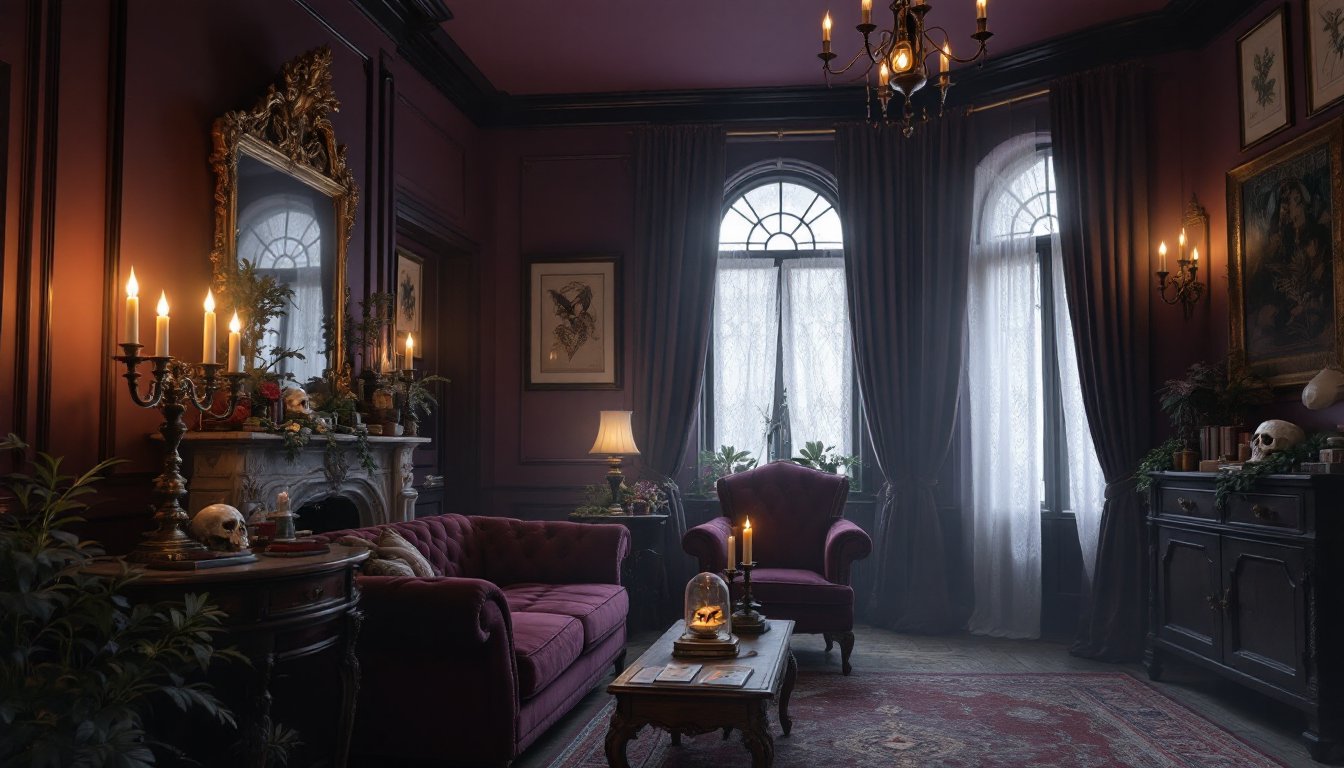
Whimsigoth interior design has surged from niche aesthetic to mainstream trend, blending Victorian romanticism with gothic mystique and a dash of cottagecore whimsy. It’s dark but not depressing, ornate but lived-in, and unapologetically theatrical. Unlike stark minimalism or farmhouse neutrals, whimsigoth celebrates velvet textures, moody color palettes, celestial motifs, and curiosities that look plucked from an apothecary or occult library. For DIYers ready to transform their space without hiring an interior designer, this style is surprisingly accessible, most elements can be sourced secondhand, refinished, or crafted with basic skills. This guide breaks down the fundamentals and shows how to bring whimsigoth into any room with intentional choices and a bit of creative grit.
Whimsigoth is a portmanteau of “whimsical” and “gothic,” popularized on social media around 2022 and rooted in 1990s aesthetics, think The Craft, Practical Magic, and early Stevie Nicks album covers. The style merges Victorian-era ornamentation, gothic architecture’s drama, and earthy, nature-inspired elements into spaces that feel both haunted and comforting.
Key characteristics include rich, saturated colors (deep purples, forest greens, burgundy, charcoal), layered textiles (velvet, lace, brocade, fringe), and eclectic decor ranging from taxidermy and dried botanicals to tarot cards and antique mirrors. Unlike pure gothic design, which leans heavily into darkness and formality, whimsigoth incorporates softness and playfulness, candlelight, moon phases, crystals, and vintage florals all have a place.
The aesthetic works best in homes with existing architectural detail (crown molding, wainscoting, tall ceilings), but renters and modern-home dwellers can layer in whimsigoth through furniture, paint, and decor. It’s less about period accuracy and more about creating a mood, slightly mysterious, deeply personal, and visually rich.
Whimsigoth color schemes avoid stark white or beige. Walls are typically painted in deep jewel tones or muted earth shades: eggplant, emerald, burnt sienna, charcoal gray, or even black. These hues create intimacy and drama, especially in smaller rooms or accent walls.
Benjamin Moore’s “Black Beauty” (2128-10) or Sherwin-Williams’ “Rookwood Dark Green” (SW 2816) are popular choices, offering depth without feeling oppressive. Pair dark walls with warm metallics, aged brass, antique gold, or oil-rubbed bronze, in light fixtures, picture frames, and hardware.
Accent colors include dusty rose, ivory, sage green, and plum, often introduced through textiles or artwork. For those hesitant to commit to dark walls, starting with a moody accent wall behind a bed or bookshelf allows experimentation without overwhelming the space.
Ceilings are fair game, too. Painting a ceiling in a complementary dark shade (or even matte black) adds unexpected dimension and draws the eye upward, especially in rooms with chandeliers or pendant lights.
Whimsigoth furniture leans vintage and ornate. Victorian-era pieces, carved wood headboards, claw-foot tables, tufted settees, anchor the look, but mixing eras keeps it from feeling like a museum. A mid-century credenza painted matte black or a 1970s rattan chair draped with a fringed throw can coexist with gothic elements.
Upholstery matters. Velvet is the MVP fabric, deep green velvet armchairs, burgundy tufted ottomans, or charcoal velvet curtains add tactile richness. Brocade, damask, and jacquard work for throw pillows or table runners. Avoid synthetic microfiber: it reads cheap under moody lighting.
Decor essentials include:
Lighting is critical. Replace builder-grade fixtures with chandeliers, sconces, or pendants featuring Edison bulbs, amber glass, or wrought iron. Dimmer switches allow mood control: whimsigoth spaces should never feel fluorescent-bright.
Window treatments should be heavy and dramatic, floor-length velvet drapes in charcoal or wine, or lace curtains layered under blackout panels. Avoid modern roller shades or aluminum blinds: they clash with the aesthetic.
Start with one anchor room rather than overhauling the entire house. Bedrooms and living rooms are ideal: kitchens and bathrooms are trickier but not impossible.
Step 1: Paint and Prep
Choose a deep, saturated wall color. Prep is non-negotiable, fill nail holes with spackle, sand smooth, and apply primer (tinted primer helps with coverage on dark colors). Expect two coats minimum for rich hues: one gallon covers roughly 350–400 square feet per coat.
If painting isn’t an option (renters, take note), use peel-and-stick wallpaper in damask, floral, or gothic patterns. Brands like Tempaper and Spoonflower offer removable options that won’t damage walls.
Step 2: Layer Textiles
Swap out lightweight bedding or throw pillows for velvet, linen, or brocade in moody tones. Layer a faux fur or vintage quilt over the bed. Add a Persian-style or distressed area rug to anchor seating areas.
Step 3: Curate Decor
Whimsigoth thrives on collected, not matching, decor. Hit estate sales, antique markets, or online secondhand platforms (more on sourcing below). Group items in odd numbers, three candlesticks on a mantel, five framed botanical prints on a gallery wall.
Avoid clutter. Each piece should feel intentional. A single ornate mirror makes a statement: ten tchotchkes create chaos.
Step 4: Upgrade Lighting
Replace overhead fixtures with a statement chandelier or pendant. For renters, plug-in sconces or battery-operated LED candles in vintage holders add ambiance without electrical work.
Install dimmer switches (simple DIY if you’re comfortable turning off the breaker and following NEC guidelines: otherwise, hire an electrician). Dimmers cost $15–$25 and transform harsh lighting into moody glow.
Step 5: Add Architectural Detail (Optional)
If the space lacks character, install picture rail molding, crown molding, or wainscoting. Pre-primed MDF molding runs about $1–$3 per linear foot at home centers. Installation requires a miter saw (or miter box and hand saw), finishing nails, wood glue, and caulk. Paint molding in a contrasting or matching shade to walls.
For a less permanent option, adhesive faux tin ceiling tiles or decorative wall appliqués mimic Victorian detail without major construction.
Whimsigoth decor doesn’t require a luxury budget, patience and secondhand hunting yield the best finds.
Thrift stores and estate sales are goldmines for vintage mirrors, carved wood furniture, brass candlesticks, and old books. Arrive early for best selection. Bring a tape measure: ornate furniture often runs larger than modern pieces.
Online marketplaces like Facebook Marketplace, Craigslist, and Chairish list local vintage furniture. Search terms: “Victorian,” “gothic,” “carved wood,” “velvet,” “antique mirror.”
Etsy specializes in oddities, taxidermy, vintage tarot decks, celestial art prints, and handmade items. Filter by “vintage” or “antique” to avoid mass-produced knockoffs.
Big-box retailers offer budget-friendly basics. Target’s Opalhouse line occasionally features velvet pillows and jewel-toned throws. HomeGoods and T.J.Maxx carry discounted rugs, mirrors, and candle holders that fit the aesthetic with some curation.
DIY and upcycling stretch budgets further. Paint a dated wood dresser matte black, swap hardware for antique brass pulls, and distress edges with sandpaper for a gothic apothecary vibe. Reupholster thrifted chairs in velvet (a staple gun and patience required). Frame vintage botanical prints from free online archives like the Biodiversity Heritage Library.
For new furniture, World Market, Anthropologie, and West Elm stock velvet seating, carved wood accents, and moody textiles, though at higher price points. Wait for seasonal sales or floor model discounts.
Whimsigoth interior design rewards those willing to hunt, layer, and trust their instincts. It’s a style built on mood, not matching sets, and most elements, paint, thrifted furniture, vintage decor, are well within DIY skill range. Start small, anchor with color and texture, and let the space evolve. The result is a home that feels both enchanted and entirely personal.
