Phone:
(701)814-6992
Physical address:
6296 Donnelly Plaza
Ratkeville, Bahamas.

Phone:
(701)814-6992
Physical address:
6296 Donnelly Plaza
Ratkeville, Bahamas.
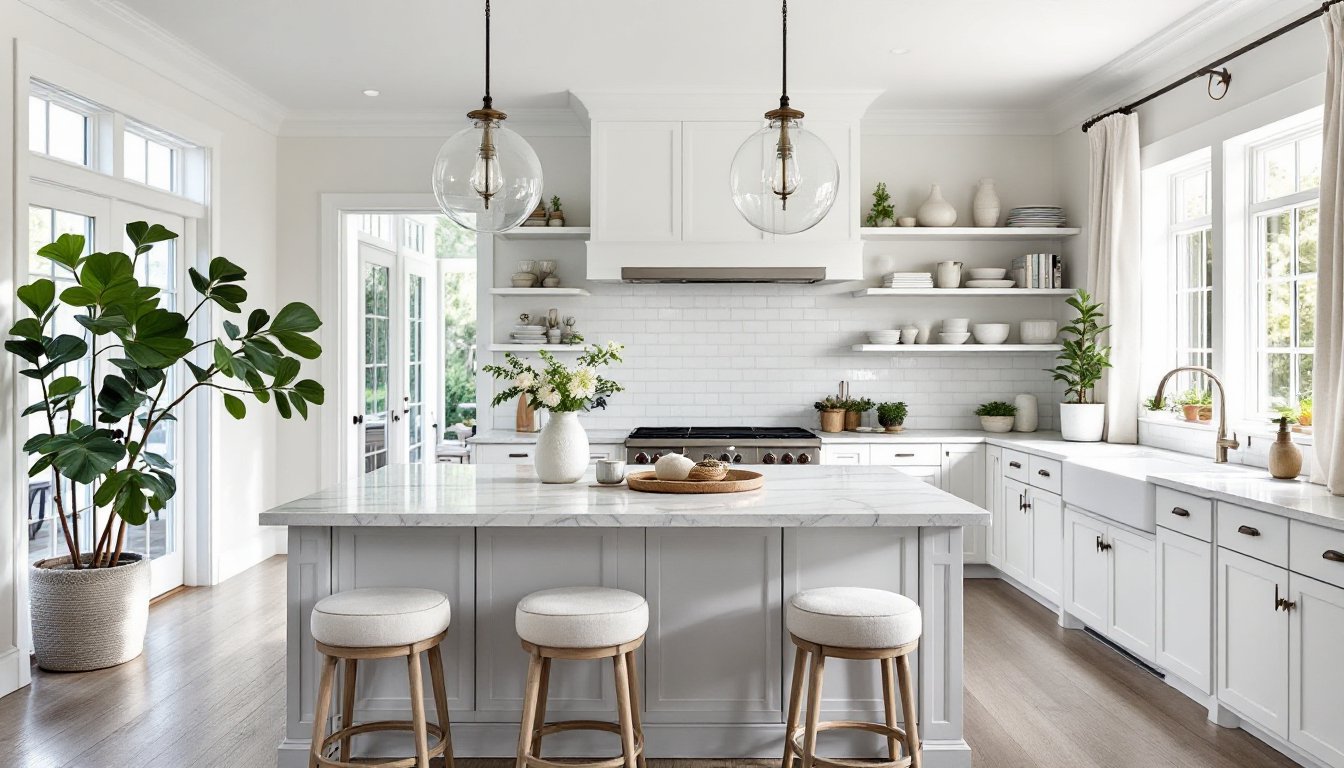
Nancy Meyers has created some of the most enviable homes in modern cinema, spaces so beautifully designed that viewers pause mid-plot to admire the kitchen. From The Holiday to It’s Complicated, her films showcase interiors that feel both aspirational and livable, blending classic elegance with functional warmth. The Meyers aesthetic isn’t about trend-chasing or designer labels. It’s rooted in timeless architectural details, quality materials, and a carefully edited color palette that makes every room feel generous and inviting. For DIYers and renovators, recreating this look is more achievable than it appears, provided you understand the foundational principles and invest in the right structural and finish details.
The Nancy Meyers interior style endures because it avoids fleeting trends in favor of classic architecture and high-quality finishes. Her sets feature elements that have been hallmarks of well-designed homes for decades: crown molding, wainscoting, natural light, and symmetry.
Unlike heavily themed or overly styled interiors, Meyers’ spaces prioritize livability. Kitchens are designed for actual cooking, not just display. Furniture is arranged for conversation, not just visual balance. Rooms include personal touches, cookbooks stacked on counters, flowers in simple vases, linen dish towels draped over oven handles, that make spaces feel inhabited rather than staged.
Another key factor is proportion. Meyers’ homes feature generous ceiling heights (typically 9 to 10 feet or higher), wide doorways, and expansive windows. These aren’t cosmetic details, they’re architectural features that require planning during new construction or major renovations. For existing homes, replicating the effect of these proportions means maximizing natural light, removing visual clutter, and choosing appropriately scaled furniture and fixtures.
The palette stays neutral and bright, relying on whites, creams, soft grays, and warm beiges. This isn’t about sterile minimalism: it’s about creating a backdrop that feels calm and allows architectural details and natural materials to stand out.
The foundation of the Meyers look is a neutral color scheme dominated by white and off-white tones. This includes Benjamin Moore White Dove, Simply White, or Swiss Coffee, soft whites with warm undertones that avoid the stark coldness of pure white.
When painting trim, cabinetry, and walls in similar tones, use different sheens to create subtle contrast. Satin or semi-gloss works well for trim and cabinetry (easier to clean and more durable), while eggshell or matte finishes suit walls. This approach maintains a cohesive look without flatness.
For cabinetry, Shaker-style doors in painted white or cream are a hallmark. If renovating a kitchen, this often means refacing existing cabinets or replacing door fronts entirely, both are less invasive than a full gut. Use inset or full-overlay hinges for a cleaner face frame. Pair with classic hardware: brushed nickel, polished nickel, or unlacquered brass pulls and knobs in simple profiles.
Countertops in Carrara marble, Calacatta, or honed quartzite reinforce the light palette. Be aware that natural marble requires sealing (typically every 6–12 months) and will patina over time. For a lower-maintenance alternative, quartz in marble-look patterns offers similar aesthetics without the upkeep.
Meyers’ kitchens are always the focal point, large, open, and designed for gathering. Achieving this in an existing home often means removing non-load-bearing walls between the kitchen and adjacent living or dining areas. Always consult a structural engineer or contractor before demo: even non-load-bearing walls may contain plumbing, electrical, or HVAC runs that require rerouting.
If the wall is load-bearing, installing a laminated veneer lumber (LVL) beam or steel I-beam can carry the load, but this requires a permit and professional installation in most jurisdictions. Beam sizing depends on span and load: undersizing leads to sagging and structural failure.
Key features of a Meyers-style kitchen include a large center island (minimum 4 feet by 8 feet for comfortable seating and prep space), professional-grade appliances (or pro-style ranges like a 36-inch gas range with at least five burners), and open shelving or glass-front cabinetry to display dishware.
Lighting is critical. Use a combination of recessed cans (typically 4-inch or 6-inch LEDs on a grid spacing of roughly 4 to 6 feet) for general illumination, pendant lights over the island (hung 30 to 36 inches above the counter), and under-cabinet LED strips for task lighting. All kitchen lighting should be on dimmers to adjust ambiance.
Subway tile backsplashes in 3-by-6-inch white ceramic with gray or white grout are a Meyers staple. Install in a classic brick-lay or running bond pattern. Use unsanded grout for tight grout lines (⅛ inch or less) to keep the look clean.
Start with the bones. If your home lacks architectural detail, add it strategically:
Next, flooring. Meyers’ homes feature wide-plank hardwood in light to medium tones, think white oak or European oak in 5- to 7-inch widths with a matte or satin finish. If installing new floors, allow hardwood to acclimate in the space for at least 72 hours before installation to minimize gapping or buckling. Use ¾-inch solid for nail-down applications or engineered planks over radiant heat or concrete slabs.
For window treatments, choose natural linen or cotton drapes in white or ivory, hung on simple rods (brushed nickel or matte black). Mount rods 4 to 6 inches above the window frame and extend 6 to 12 inches beyond each side to maximize light when drapes are open. Hem panels to ½ inch above the floor for a tailored look.
Furniture and décor should feel curated but unfussy. Opt for slipcovered sofas in washable white or linen, vintage or antique wood pieces for contrast, and fresh flowers or greenery in clear glass or ceramic vases. Avoid matchy-matchy sets: mix textures (linen, wool, rattan, aged wood) and periods (mid-century chairs with farmhouse tables) for depth.
Lighting layers are essential. Combine ambient (recessed or flush-mount ceiling fixtures), task (pendant or sconces), and accent (table or floor lamps) sources. Choose fixtures in polished nickel, aged brass, or matte black with clean, unfussy lines.
Several film sets exemplify the Meyers aesthetic and offer direct inspiration for renovation projects:
When adapting ideas from these sets, focus on replicating principles rather than exact layouts. Few DIYers will install a La Cornue range, but a 30- or 36-inch professional-style gas range with similar lines and a custom hood achieves a comparable effect at a fraction of the cost.
Capturing the Nancy Meyers aesthetic isn’t about copying a movie set, it’s about investing in quality materials, timeless architectural details, and thoughtful layout decisions. Prioritize natural light, neutral palettes, and spaces designed for real life, not just photos. Whether adding crown molding, upgrading cabinetry, or opening up a floor plan, each improvement should enhance both beauty and function. With careful planning and honest attention to craftsmanship, any home can channel that unmistakable Meyers warmth.
