Phone:
(701)814-6992
Physical address:
6296 Donnelly Plaza
Ratkeville, Bahamas.

Phone:
(701)814-6992
Physical address:
6296 Donnelly Plaza
Ratkeville, Bahamas.
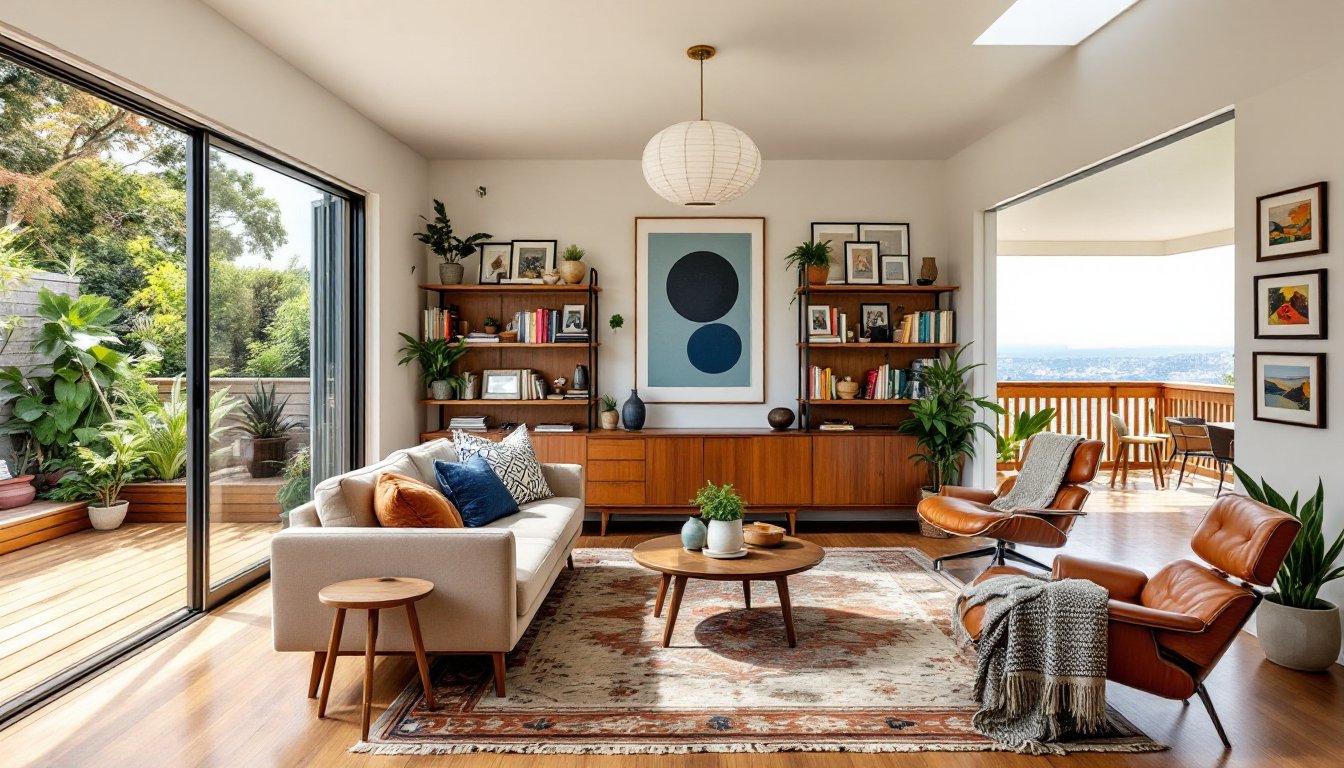
Berkeley’s interior design scene reflects the city’s progressive spirit and deep respect for craftsmanship. Unlike cookie-cutter approaches found elsewhere, Berkeley homeowners embrace design that balances radical creativity with functionality, whether that’s a 1920s Craftsman bungalow in North Berkeley or a modernist hillside home overlooking the Bay. The city’s design culture runs deep, shaped by decades of architectural experimentation, environmental consciousness, and an appreciation for authentic materials. This guide walks through what makes Berkeley design distinct, how to navigate style choices, and what homeowners should know before hiring a designer or tackling projects themselves.
Berkeley’s design identity stems from its architectural heritage and cultural values. The city’s housing stock includes significant Arts and Crafts homes (think exposed beam ceilings, built-in cabinetry, and clinker brick), mid-century modern structures by architects like Henry Hill, and even Julia Morgan’s early work. Designers working here respect these bones rather than fighting them.
Sustainability isn’t a trend in Berkeley, it’s baseline. Homeowners expect reclaimed materials, low-VOC finishes, and energy-efficient solutions. A designer who suggests ripping out original hardwood for trendy luxury vinyl plank won’t get far. Instead, the approach favors refinishing existing Douglas fir floors, sourcing salvaged fixtures from Urban Ore, or commissioning custom pieces from local woodworkers.
The aesthetic leans intellectual and layered. Berkeley interiors often feature extensive book collections, art from local studios, and furniture that tells a story. There’s less emphasis on matchy-matchy showroom looks and more appreciation for thoughtful curation. A vintage Eames chair might sit beside a handwoven Oaxacan textile and a ceramic piece from the Berkeley Potters Guild, not because it’s trendy, but because each item has meaning.
Functional spaces matter more than formal ones. Open shelving in kitchens, mudrooms that actually handle wet gear from Tilden Park hikes, and flexible living areas that accommodate everything from kids’ assignments to political organizing meetings, Berkeley design prioritizes how people actually live.
This hybrid style dominates Berkeley’s flats and hills. The foundation is mid-century modern, clean lines, walnut or teak furniture, plenty of natural light, and an indoor-outdoor connection via sliding glass doors or large windows facing gardens. But unlike strict MCM purists, Berkeley homeowners layer in global textiles, vintage finds, and handmade ceramics.
Key elements include low-profile furniture (platform beds, Danish credenzas), warm wood tones rather than cold minimalism, and statement lighting like Noguchi lanterns or vintage pendant fixtures. Walls might feature a gallery of eclectic art, screen prints from the Berkeley Art Center, framed concert posters, or family photos in mismatched frames.
Color palettes pull from nature: ochre, terracotta, sage, and burnt orange alongside neutrals. Accent walls in deep teal or rust aren’t uncommon, especially when highlighting original architectural details. Textiles add warmth, kilim rugs, linen curtains, and throw pillows in indigo or block-printed patterns.
The goal is curated comfort, not catalog perfection. Bookshelves overflow, plants crowd windowsills, and furniture arranges for conversation rather than TV-watching.
Berkeley pioneered green building practices, and interior design follows suit. This isn’t about greenwashing, it’s about material honesty and long-term thinking.
Reclaimed and salvaged materials are standard. Homeowners source barn wood for accent walls, vintage fixtures from architectural salvage yards, and repurposed factory carts as coffee tables. The East Bay has excellent resources: Omega Salvage and The Re-Use People supply everything from clawfoot tubs to antique hardware.
Natural finishes dominate. Think linseed oil on wood, limewash or clay plasters on walls, and natural fiber rugs (jute, sisal, wool). Paints are zero-VOC brands like Benjamin Moore Natura or ECOS. Even countertop choices lean toward recycled glass, FSC-certified wood, or locally quarried stone rather than imported granite.
Energy efficiency integrates into design decisions. Designers spec LED fixtures with warm color temperatures, cellular shades for insulation, and strategic window treatments to manage Berkeley’s microclimates (foggy mornings, hot afternoons in some neighborhoods).
Furniture tends toward heirloom quality, solid wood pieces that can be refinished rather than particle board destined for landfills. Local craftspeople get preference over mass production, supporting the regional maker economy while ensuring pieces last decades.
Finding a designer who understands Berkeley’s particular values requires assignments. Start by identifying what kind of project is on the table, cosmetic refresh, whole-home renovation, or new construction. Designers specialize differently.
Check portfolios for local work. A designer experienced with Berkeley’s housing stock knows how to handle knob-and-tube wiring upgrades, foundation issues common in hillside homes, and permitting quirks with the city’s planning department. They’ll also have relationships with reliable local contractors who understand older construction methods.
Ask about sustainability practices beyond surface claims. What percentage of their projects use reclaimed materials? Do they have sources for low-impact finishes? Can they design around existing furniture rather than pushing clients toward complete replacement?
Understand their fee structure. Berkeley designers typically charge in one of three ways: hourly rates ($100–$250/hour depending on experience), flat project fees, or cost-plus (charging a percentage markup on materials and contractor services). For smaller projects like a single room refresh, hourly makes sense. Whole-home renovations often work better with flat fees that include design development, material sourcing, and contractor coordination.
Interview at least three designers. Ask how they handle budget constraints (critical in the Bay Area’s expensive market), whether they carry liability insurance, and if they’ll provide a detailed scope of work. A good designer will ask as many questions as they answer, about lifestyle, must-haves versus nice-to-haves, and long-term plans for the home.
Request local references and actually call them. Ask previous clients about communication style, how the designer handled unexpected issues, and whether the project finished on budget and schedule. Berkeley homeowners tend to be forthcoming about their experiences.
Bay Area costs run higher than national averages, and Berkeley is no exception. Designer fees represent just one piece of the puzzle.
For cosmetic updates (paint, lighting, window treatments, furniture), expect to spend $5,000–$15,000 per room including designer fees and materials. This assumes DIY-friendly work or minor contractor help. Paint in Berkeley typically costs $350–$600 per gallon for premium zero-VOC brands at local shops like Kelly-Moore or independent retailers, with coverage around 350–400 square feet per gallon depending on surface texture.
Mid-range renovations involving kitchens or bathrooms start around $40,000–$80,000 for a single room. This includes designer fees (typically 10-15% of project cost), contractor labor, permits, materials, and the inevitable surprises in older homes, outdated plumbing, electrical that doesn’t meet current NEC standards, or structural issues that surface when walls open up.
Whole-home renovations in Berkeley easily reach $150,000–$400,000+ depending on square footage and scope. Hillside properties cost more due to access challenges and potential foundation or retaining wall work. Permitting adds time and money, budget several months and $5,000–$15,000 for plans, structural engineering, and city fees.
Ways to control costs without sacrificing Berkeley’s design ethos:
Always include a 15-20% contingency for older Berkeley homes. That 1925 bungalow will surprise you, usually under the subfloor or behind the walls.
Berkeley interior design rewards homeowners who embrace the city’s values, sustainability, craftsmanship, and authentic self-expression over trends. Whether working with a designer or tackling projects independently, success comes from respecting existing architecture, choosing quality materials that last, and creating spaces that reflect how people actually live rather than how magazines suggest they should. The result is interiors with depth, character, and staying power.
