Phone:
(701)814-6992
Physical address:
6296 Donnelly Plaza
Ratkeville, Bahamas.

Phone:
(701)814-6992
Physical address:
6296 Donnelly Plaza
Ratkeville, Bahamas.
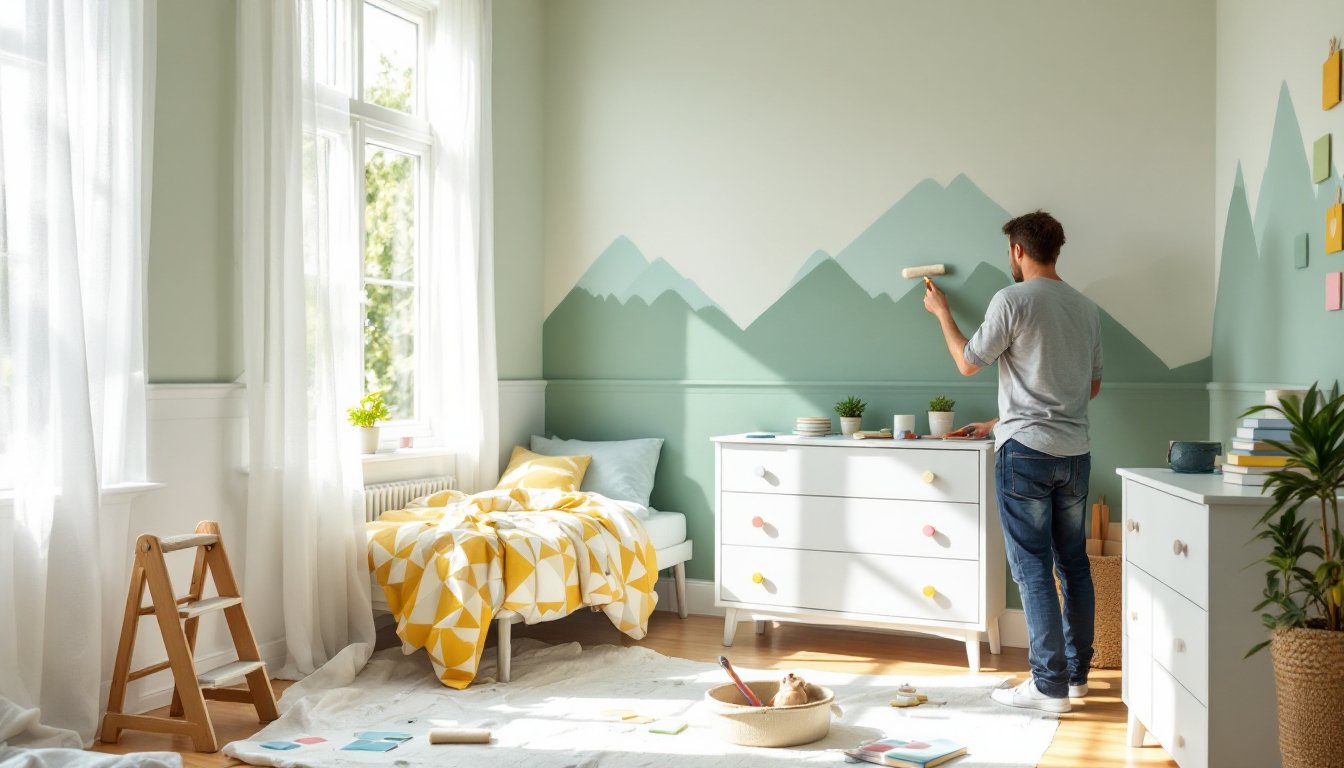
Choosing the right paint for a kid’s bedroom does more than add color to walls, it shapes the room’s mood, durability, and how long the look will last before another refresh is needed. Unlike living rooms or kitchens, children’s spaces demand paint choices that balance fun with function. A five-year-old’s love for neon pink might fade by third grade, and that hand-painted superhero mural could become a source of embarrassment by middle school. Smart planning means selecting finishes that withstand crayon marks, scuffs, and the occasional science experiment gone wrong, while keeping future repaints simple. This guide walks through proven color strategies, creative accent techniques, and age-specific ideas that help parents avoid costly do-overs.
Kid bedroom walls take more abuse than almost any other surface in the home. Fingerprints, stickers, tape residue, and the occasional marker mishap mean the paint needs to hold up under repeated cleaning. Eggshell or satin finishes offer the best balance, they’re scrubbable without the glare of semi-gloss but tougher than flat paint.
Color psychology plays a real role in sleep and mood regulation. Bright reds and oranges can overstimulate, making bedtime battles worse. Cooler tones like blues, greens, and soft grays promote calm, though they shouldn’t feel cold or institutional. Warmer neutrals with subtle undertones work well for kids who need visual interest without sensory overload.
Longevity matters more in a child’s room than homeowners often expect. Repainting every 18 months gets expensive and disruptive. Choosing adaptable base colors and using removable elements for trend-driven themes, like decals or painted furniture instead of wall murals, extends the life of the paint job. A neutral base with colorful accents costs less to update than four walls of character-themed paint that needs full coverage when tastes change.
VOC levels (volatile organic compounds) deserve attention in spaces where kids sleep. Low-VOC or zero-VOC paints reduce off-gassing and improve indoor air quality. Most major brands now offer these formulations in kid-friendly colors without a price premium. Proper ventilation during and after painting remains essential, open windows and use fans for at least 48 hours post-application.
Neutral bases with flexible accent colors avoid the need for full repaints as kids age. Warm whites, soft grays, and greiges (gray-beige hybrids) work as foundational wall colors that pair with changing bedding, rugs, and artwork. These aren’t boring builder-grade whites, look for shades with subtle undertones like Accessible Beige, Repose Gray, or Swiss Coffee that add depth without committing to a strong hue.
Two-tone combinations add visual interest while staying adaptable. Pairing a neutral upper wall with a deeper lower half (using a chair rail or painter’s tape line at 32-40 inches) creates dimension. The lower section can be a wipeable darker shade, navy, forest green, or charcoal, that hides scuffs near the floor. When the child outgrows the look, only the accent section needs repainting.
Soft pastels have staying power if kept unsaturated. Dusty blush, sage green, powder blue, and buttery yellow work for toddlers but don’t feel juvenile in later years. The key is choosing muted versions rather than candy-bright tones. These shades reflect light well in smaller bedrooms and pair easily with both playful and more mature décor as kids grow.
Monochromatic schemes using varying shades of one color create a sophisticated look that works across age ranges. Three tones of blue, pale sky, medium slate, and deep navy, used across walls, trim, and ceiling create cohesion without feeling one-note. This approach simplifies furniture and accessory choices since almost anything coordinates with a tonal palette.
An accent wall concentrates visual interest without overwhelming the room or the budget. It’s also easier to repaint or modify than four full walls when tastes change. The wall behind the bed is the standard choice, but the wall opposite the door creates impact the moment someone enters the room.
Horizontal stripes make small rooms feel wider, while vertical stripes add height to rooms with low ceilings. For clean lines, use painter’s tape rated for delicate surfaces (blue or green tape, not tan masking tape) and a small foam roller to prevent bleed-under. Alternate stripe widths, like 8-inch and 4-inch patterns, add more visual interest than uniform spacing.
Triangles, hexagons, and chevrons work well for older kids and teens who want something bolder. Use a laser level and painter’s tape to map out geometric patterns. Triangles in three tones of the same color (like blush, mauve, and terracotta) create a modern mountain range effect. Stencils speed up the process for repeating patterns, though they require careful registration to avoid misalignment.
Ombré walls, where color gradually shifts from light to dark, add drama without harsh lines. This technique works best with a paint sprayer or by blending wet paint with a large brush, feathering where shades meet. It’s more time-intensive than solid color but creates a custom look that photographs well.
Hand-painted murals offer maximum personalization but require either artistic skill or a willingness to hire a professional. For DIYers, projectors simplify the process, project an image onto the wall, trace the outlines in pencil, then fill in with paint. This method works for everything from simple cloud scenes to detailed cityscapes or forest landscapes.
Chalkboard or dry-erase paint turns a wall into an interactive surface. These specialty paints need proper prep, two coats of primer, then three coats of the chalkboard/dry-erase formula with light sanding between coats. The wall must cure for three days before use. Magnetic primer underneath adds another layer of function, though it requires multiple coats to achieve real holding strength.
Peel-and-stick murals and large-scale decals offer the mural look without the commitment or skill requirement. Quality matters, cheaper versions peel at the edges or leave residue. These work best on smooth, clean walls and can be removed when the child outgrows the design, making them ideal for renters or parents who anticipate frequent changes.
Nursery and toddler rooms (0-4 years) benefit from calming colors that support sleep. Soft blues, greens, and warm neutrals work better than bright primaries. Parents will spend significant time in this room during night wakings, choose colors that don’t feel visually jarring at 2 a.m. Simple wall accents like painted clouds, a single tree, or a mountain silhouette add interest without overstimulation. Avoid tiny details or busy patterns that can make the space feel chaotic.
Early elementary (5-8 years) is when kids start expressing strong color preferences. Compromise by using their favorite bold color as an accent rather than painting all four walls hot pink or electric blue. A feature wall, painted furniture, or a color-blocked section (like a painted headboard shape directly on the wall) gives them ownership without a full commitment. This age group also enjoys interactive elements, a small section of chalkboard paint or a painted road/city map on the floor using porch paint.
Tweens (9-12 years) often want more sophisticated spaces that distance them from “little kid” aesthetics. Jewel tones like emerald, sapphire, or amethyst feel more grown-up than pastels. Two-tone walls with a sharp horizontal division (not a wavy or themed line) create visual interest that reads as mature. Ombré techniques, geometric patterns, or a gallery wall accent in a contrasting color give them a curated look. Let them choose the palette but guide them toward options that won’t require a full repaint in two years.
Teens (13+ years) want control over their space. Moody darks like charcoal, navy, or deep forest green are popular and can work if the room has good natural light and white or light-colored trim for contrast. One dark wall with lighter surrounding walls prevents the cave effect. Teens may want to paint themselves, it’s a good learning project. Set expectations about prep work, drop cloths, and painting trim carefully. Let them make (and fix) minor mistakes: it builds skill and responsibility.
Prep work determines the final result more than paint quality. Remove outlet covers, patch holes with spackle (let dry completely, then sand smooth), and clean walls with a damp cloth to remove dust and grime. Grease spots or crayon marks need a degreaser or primer-sealer, or they’ll bleed through fresh paint. Use painter’s tape on trim, windows, and ceilings, press edges firmly to prevent paint seep.
Priming isn’t optional when covering dark colors, bold patterns, or raw drywall. Stain-blocking primer prevents bleed-through from markers, crayon, or water stains. Tinted primer (tinted toward the finish color) reduces the number of topcoats needed, saving time and money. Two coats of quality paint over good primer outlast three coats of budget paint over bare walls.
Sample colors on the actual wall before committing to gallons. Paint shifts dramatically based on lighting, a color that looks perfect in the store might read too blue in north-facing light or too yellow under warm LEDs. Paint a 2×2 foot section and observe it at different times of day for at least 24 hours. It’s a $5 sample vs. a $150 mistake.
Timing the project around the child’s schedule reduces stress. Painting while kids are at school or during a weekend sleepover at grandparents’ keeps them out of paint fumes and lets the work proceed faster. Plan for at least 48 hours of drying and off-gassing before they sleep in the room again, even with low-VOC paint.
Safety reminders: Use drop cloths or plastic sheeting to protect floors, paint splatters happen even to experienced painters. Wear safety glasses when painting ceilings or using a roller on an extension pole. Ensure good ventilation with open windows and fans. Keep paint cans and supplies out of reach of young children, even “non-toxic” paint isn’t meant for ingestion. If using a ladder, make sure it’s stable and have a second person nearby when working at height.
One gallon of paint typically covers 350-400 square feet with one coat. Measure the room’s wall square footage (length × height for each wall, then add them together) and divide by 350 to estimate gallons needed. Most rooms need two coats, so double that number. It’s smarter to have extra than to run out mid-project and deal with color-matching issues on a second store trip.