Phone:
(701)814-6992
Physical address:
6296 Donnelly Plaza
Ratkeville, Bahamas.

Phone:
(701)814-6992
Physical address:
6296 Donnelly Plaza
Ratkeville, Bahamas.
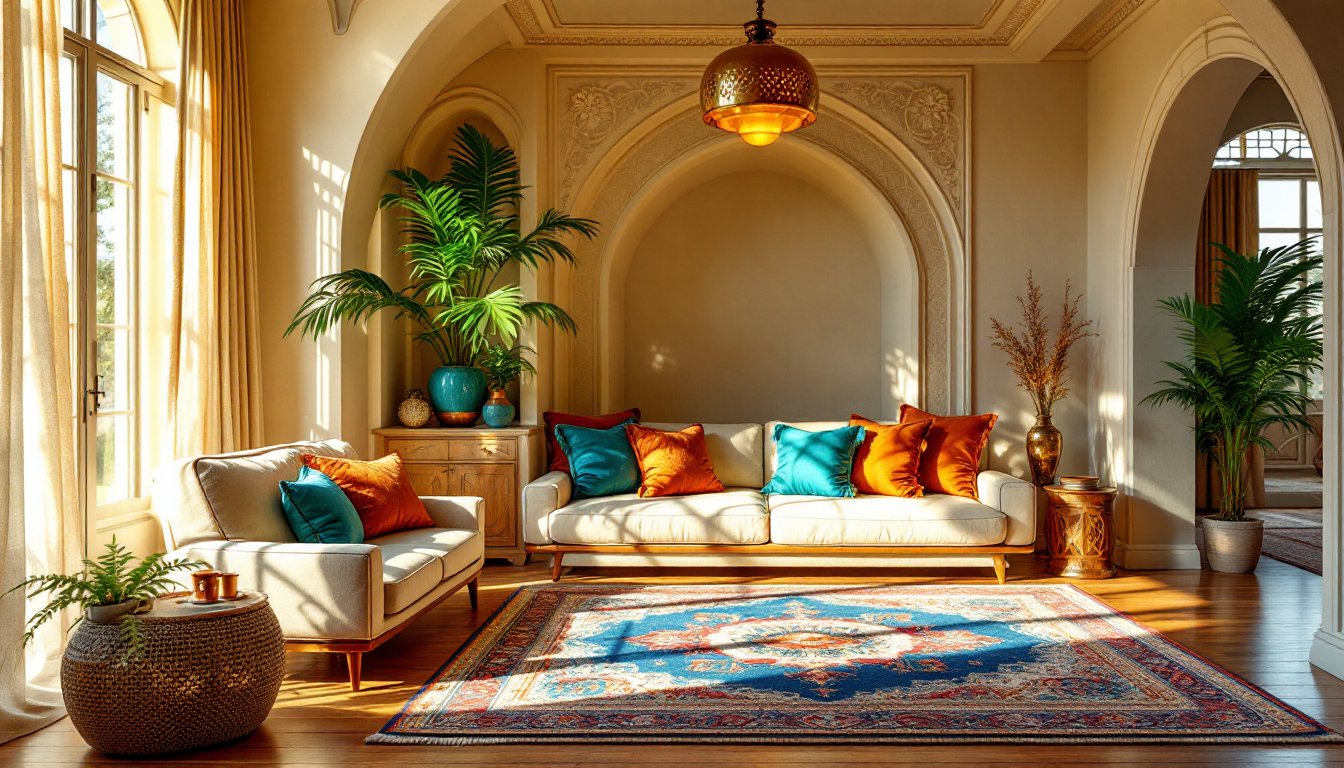
Persian interior design pulls from thousands of years of artistic tradition, think intricate tilework, jewel-toned textiles, and architectural symmetry that feels both grand and intimate. Unlike minimalist trends that come and go, Persian style layers richness without clutter, blending ornate patterns with deliberate negative space. For homeowners looking to add depth and character beyond the standard farmhouse aesthetic, Persian design offers a proven playbook rooted in craft, geometry, and natural materials. This isn’t about recreating a palace in Tehran: it’s about borrowing principles that translate surprisingly well to Western homes, whether applied room-wide or as strategic accents.
Persian design grew from a blend of influences, pre-Islamic Persian empires, Islamic art and architecture, and trade route cross-pollination with Central Asia and the Mediterranean. The result is a visual language built on symmetry, geometric precision, and organic motifs like vines, flowers, and arabesques.
Key characteristics include:
Unlike Moroccan or Turkish styles that share some visual DNA, Persian design leans more restrained in color application and more mathematical in pattern work. It’s ornate, but disciplined.
Persian palettes draw heavily from natural pigments and symbolic associations. Deep blues (lapis lazuli) represent heaven and spirituality. Turquoise symbolizes protection. Rich reds and golds signal wealth and warmth. Ivory and cream provide breathing room between bolder hues.
Patterns fall into three main categories:
These patterns rarely appear in isolation. A single Persian room might combine a geometric tile dado, a floral plaster ceiling medallion, and a rug with calligraphic borders, unified by color balance and proportion.
Persian rugs aren’t decorative afterthoughts: they’re foundational. Hand-knotted wool or silk rugs from regions like Tabriz, Kashan, Isfahan, and Qom each carry distinct weaving techniques, knot densities (measured in knots per square inch, or KPSI), and motifs.
Key rug styles:
Authentic Persian rugs use vegetable dyes (madder root for red, indigo for blue, pomegranate rind for yellow) that age gracefully. Synthetic dyes can fade unevenly under UV exposure. Pile direction matters, stroke the rug toward the fringe: if it darkens, you’re going against the nap.
Beyond rugs, look for suzani embroidery (silk-on-cotton chain stitch), brocade cushions, and termeh fabric (a handwoven silk-wool blend with reversible patterns). These add tactile variety without requiring wall-to-wall commitment.
Full-scale Persian interiors require high ceilings, custom tilework, and serious budget. Most homeowners benefit more from strategic layering.
Start with one anchor piece: A quality Persian rug (even a 5’x7′ or 6’x9′) grounds a room and sets the color story. Place it under the front legs of a sofa or centered under a dining table. Avoid tiny rugs floating in open floor space, they look accidental.
Add architectural details sparingly: Instead of tiling an entire wall, consider a tile backsplash in a kitchen or powder room using hand-painted Moroccan or Persian-style ceramics (zellige or similar). A carved wood screen (jali pattern) can divide spaces or hide radiators. Arched doorways or niches require framing or drywall work, doable for intermediate DIYers with drywall experience, but measure twice and check for electrical/plumbing behind walls before cutting.
Layer textiles thoughtfully: Stack a Persian runner over a neutral jute rug for texture contrast. Use embroidered cushions (aim for 18″x18″ or 20″x20″ inserts for proper fill) in rich velvets or silks. Hang a suzani or small kilim as wall art using a quilt hanger rod or sewn sleeve on the back.
Integrate metalwork and lighting: Brass or copper lanterns with pierced geometric patterns cast beautiful shadow play. Look for pendant lights with filigree or hammered metal finishes. Avoid overly polished chrome, patina and hand-worked texture align better with traditional Persian aesthetics.
Incorporate live plants and water: A small tabletop fountain adds ambient sound (check that the pump is quiet: cheap ones buzz). Use ceramic planters in cobalt or turquoise for ferns, palms, or citrus trees. Persian design loves greenery as a living contrast to geometric hardscape.
Safety note: When hanging heavy rugs or metalwork, locate studs with a stud finder and use appropriate anchors (toggle bolts for drywall, lag bolts into studs). A 4’x6′ wool rug can weigh 20+ pounds: standard picture hooks won’t hold it.
Contemporary designers pull Persian elements into cleaner contexts, dialing back maximalism while keeping core principles.
Simplified geometry: Instead of full tilework, use large-format porcelain tiles with subtle Persian-inspired patterns (12″x24″ or larger reduces grout lines and installation time). Or apply a stenciled pattern on a feature wall using low-VOC paint in a single accent color, tape off carefully with FrogTape or similar for crisp edges.
Neutral base + color pops: Modern Persian interiors often start with warm whites or soft grays (think Sherwin-Williams Accessible Beige or Benjamin Moore Revere Pewter) and introduce jewel tones through art, pillows, and one statement rug. This keeps resale appeal while allowing personality.
Mix eras and styles: Pair a vintage Persian rug with mid-century modern furniture or Scandinavian pieces. The contrast works because both design languages value craftsmanship and proportion. A leather Eames lounge chair on a Tabriz rug isn’t a clash, it’s a conversation.
Updated materials: Printed velvet or digital jacquard fabrics mimic traditional Persian brocades at lower cost and easier care (machine washable). Laser-cut MDF screens replicate jali patterns for a fraction of custom woodwork prices, though they lack heft, paint or stain them to add depth.
Open floor plans: Persian design originally addressed enclosed, human-scale rooms. In open-concept homes, use rugs to zone spaces (living vs. dining), pendant lighting clusters at different heights to define areas, and low upholstered seating (floor cushions, poufs) to create intimate conversation pockets within larger volumes.
Modern Persian style keeps the soul, handcraft, pattern layering, rich color, but edits the excess. It’s less about filling every surface and more about choosing fewer, better pieces.
Persian interior design offers a counterbalance to trend-driven decor, rooted in geometry, natural materials, and centuries-tested color theory. Whether layering a single rug into a modern space or committing to tile and textile-rich rooms, the principles scale to any budget or skill level. Start with one authentic anchor piece, respect the craft behind it, and build slowly. The result feels collected, not decorated.
