Phone:
(701)814-6992
Physical address:
6296 Donnelly Plaza
Ratkeville, Bahamas.

Phone:
(701)814-6992
Physical address:
6296 Donnelly Plaza
Ratkeville, Bahamas.
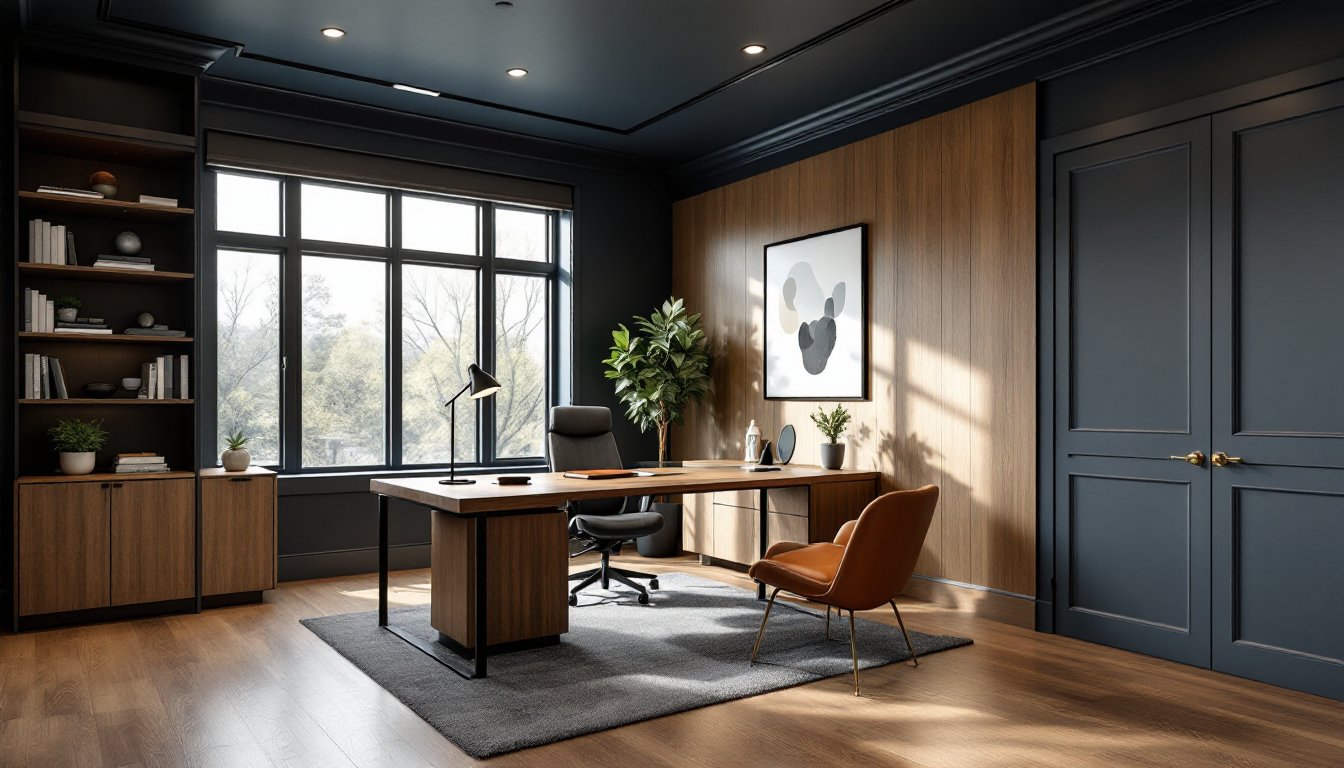
An executive office isn’t just a room with a desk, it’s a strategic asset that shapes perception, supports decision-making, and reflects organizational values. Whether renovating a corner office or building out a new C-suite, thoughtful interior design balances authority with approachability, tradition with innovation. Unlike open-plan workstations or collaborative huddle rooms, executive spaces demand a different calculus: acoustic privacy, sophisticated finishes, and layouts that accommodate both focused work and high-stakes meetings. This guide walks through the structural and aesthetic decisions that transform a generic office into a workspace that commands respect and drives performance.
Executive offices serve dual functions that most workspaces don’t: they’re both private sanctuaries for deep work and public-facing stages for client meetings, board presentations, and leadership visibility. In hybrid and remote-first organizations, the physical executive office has become even more critical, it’s the backdrop for video calls broadcast to dozens or hundreds of employees, and it signals company culture in ways a home office setup never can.
From a practical standpoint, poorly designed executive spaces create tangible problems. Inadequate soundproofing (often requiring STC-rated walls of 50 or higher for confidential conversations) leads to privacy breaches. Bad lighting, especially overhead fluorescents with high color temperature, causes eye strain during long document reviews and looks harsh on camera. Furniture that prioritizes appearance over ergonomics results in discomfort during 10-hour workdays.
There’s also the recruitment and retention angle. Top talent evaluates workplace quality, and executive offices set the standard. If leadership occupies thoughtfully designed space while expecting employees to work in sterile cubicles, the disconnect becomes a culture problem. Conversely, an executive office that balances quality with restraint, beautiful materials, excellent function, zero excess, models the kind of decision-making the organization values.
Executive offices typically range from 150 to 400 square feet, with corner offices hitting the upper end. Layout should create distinct zones without physical barriers that make the space feel chopped up. Most successful designs establish three areas:
Window placement matters. If the office has exterior windows, avoid positioning the desk so the occupant sits backlit during video calls, it creates silhouette effect. North-facing windows (in the Northern Hemisphere) provide consistent natural light without harsh glare. If the office lacks windows, full-spectrum LED lighting (5000K–6500K) mimics daylight and reduces the cave-like feel of interior spaces.
Door placement affects flow. Offices with doors opening inward give the occupant a split-second privacy advantage: doors opening outward into hallways are safer for emergency egress but can feel less secure. Check local building codes, some jurisdictions have specific requirements for offices above certain square footage or occupancy.
Executive desks remain a statement piece, but the 72-inch traditional executive desk has given way to more versatile configurations. L-shaped or U-shaped desks (typically 66–72 inches on the primary surface, 48–60 inches on the return) provide dedicated space for computer work and paper-based tasks without requiring the user to swivel constantly.
Material choice signals intent. Solid wood or wood veneer (walnut, cherry, oak) conveys permanence and traditional authority. Laminate over engineered wood keeps costs reasonable while offering durability against coffee spills and scratches. Glass or stone tops read as modern but show fingerprints and require coasters to prevent water rings.
Seating deserves the highest per-item budget. An executive chair rated for 8+ hour use with adjustable lumbar support, seat depth, and armrests isn’t a luxury, it’s injury prevention. Herman Miller, Steelcase, and Haworth make task chairs that last 10+ years under daily use. Guest chairs should be comfortable enough for hour-long meetings but not so plush that they encourage overstaying: look for chairs with firm cushions and mid-height backs.
Storage should be ample but unobtrusive. Built-in bookcases or credenzas with doors hide clutter better than open shelving. Filing cabinets, if needed, work best tucked under a desk return or inside a closet, visible filing cabinets read as dated in 2026.
Three design approaches dominate current executive office projects:
Modern Minimalist: Clean lines, neutral palettes (white, gray, black, with one accent color), and minimal ornamentation. Think floating desks, integrated cable management, and surfaces clear of everything except one or two curated objects. This style works well in tech, finance, and professional services. Materials lean toward matte finishes, powder-coated steel, and engineered stone. The risk: going so minimal the space feels cold or impersonal.
Warm Contemporary: Blends modern silhouettes with natural materials, live-edge wood desks, leather seating in cognac or tobacco tones, textured wool rugs, and brass or matte black fixtures. This approach appeals to firms wanting to project approachability without sacrificing sophistication. Lighting is key: use a mix of ambient (recessed LEDs), task (adjustable desk lamps), and accent (picture lights or cove lighting behind shelving) to create depth.
Industrial Executive: Exposed structural elements (steel I-beams, concrete floors, brick walls) paired with refined furnishings. This style thrives in converted warehouse spaces or loft offices but can be retrofitted into standard commercial buildouts with the right finishes. The contrast between raw materials and polished furniture creates visual interest. Be cautious with acoustics, hard surfaces amplify sound, so add area rugs, upholstered panels, or acoustic ceiling tiles to manage reverberation.
Regardless of style, 2026 trends emphasize biophilic design elements: planters with real (not fake) greenery, natural wood grains, and views or artwork depicting nature. Studies show these elements reduce stress and improve focus, though they require maintenance plans to keep plants alive and finishes from deteriorating.
Color influences perception, and executive offices often use this strategically. Deep blues and charcoals convey stability and trustworthiness, common in finance and law. Warm grays and taupes feel sophisticated without the severity of black. Navy with brass accents has become a go-to combination for blending tradition with modernity.
Avoid colors that undermine credibility. Bright reds can read as aggressive: pastels feel too casual for most executive contexts. If using bold color, apply it as an accent (one feature wall, artwork, or upholstery) rather than saturating the entire space.
Material selection communicates durability and attention to detail. Solid hardwood flooring or luxury vinyl plank (LVP) in wide planks (7–9 inches) looks substantial. Avoid builder-grade carpet tiles in executive spaces: if using carpet, specify wool or wool-blend broadloom with a tight loop or cut pile for longevity.
Wall treatments range from paint (easiest to change) to wood paneling, fabric-wrapped acoustic panels, or textured wallcoverings. Paneling adds warmth and sound absorption but requires backing by 1/2-inch or 5/8-inch drywall for fire rating compliance in commercial spaces. Check with your local building department, some jurisdictions restrict combustible wall coverings in office buildings.
Hardware and fixtures matter more than most DIYers expect. Drawer pulls, door handles, light switches, these touchpoints get used daily. Solid brass, stainless steel, or matte black finishes feel substantial. Cheap zinc alloy hardware tarnishes and wobbles within months.
Safety note: If installing new lighting, ensure electrical work complies with NEC (National Electrical Code). Offices with equipment drawing significant power (multiple monitors, printers, charging stations) may need dedicated 20-amp circuits to prevent tripped breakers.
Executive office design sits at the intersection of function, perception, and investment. The best spaces don’t shout, they work quietly, supporting productivity while projecting the authority and values the role demands. Whether going minimal, warm, or industrial, the fundamentals remain: thoughtful layout, durable materials, excellent lighting, and furniture that earns its footprint. Done right, an executive office becomes a tool that pays dividends in focus, confidence, and the impression it leaves on everyone who walks through the door.
