Phone:
(701)814-6992
Physical address:
6296 Donnelly Plaza
Ratkeville, Bahamas.

Phone:
(701)814-6992
Physical address:
6296 Donnelly Plaza
Ratkeville, Bahamas.
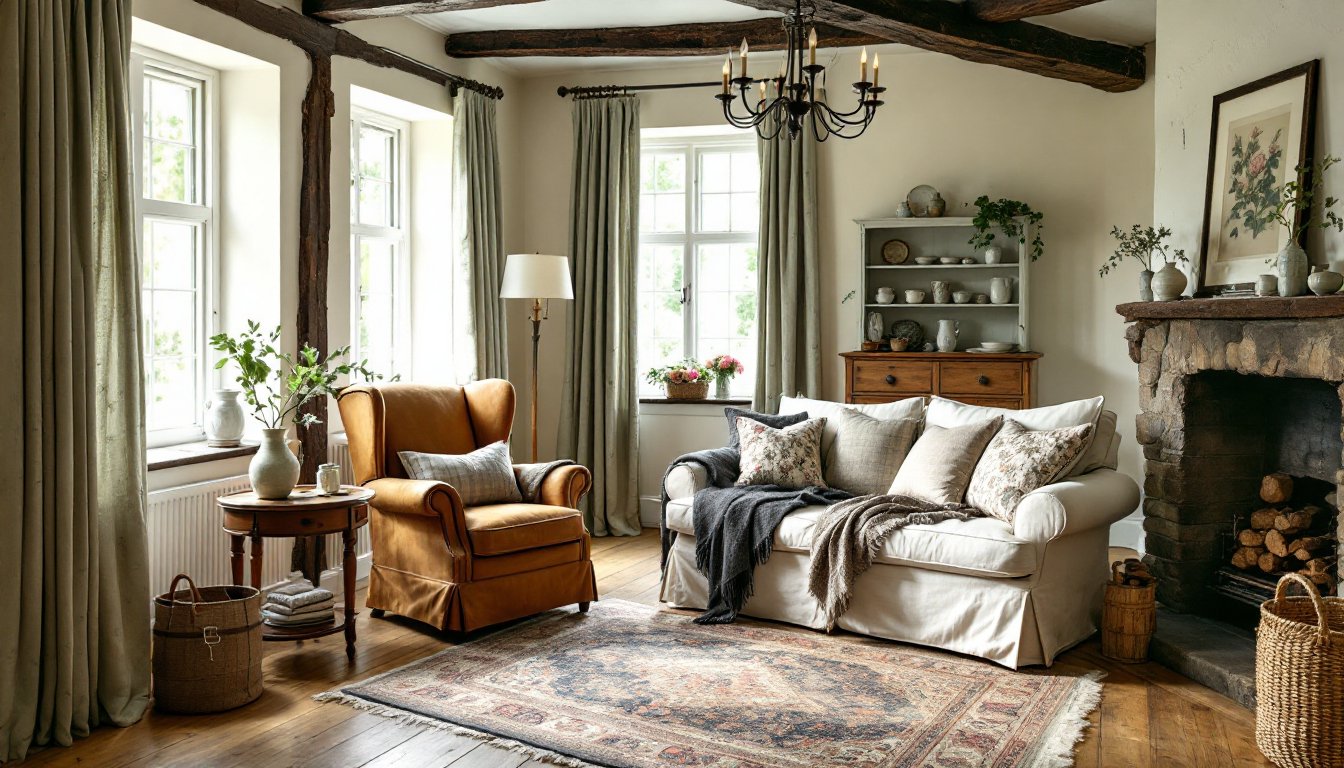
English country interior design brings the warmth and character of a rural cottage into modern homes without sacrificing livability or function. Rooted in centuries-old farmhouses, manor estates, and village cottages across the English countryside, this style balances comfort with craftsmanship, think worn leather chairs, chintz florals, and exposed ceiling beams that show their age proudly. It’s not about pristine showrooms or matchy-matchy furniture sets. Instead, it embraces the lived-in, collected-over-time aesthetic that comes from mixing heirlooms, flea market finds, and well-chosen new pieces. For homeowners looking to create spaces that feel inviting rather than staged, English country design offers a proven template that works in everything from cottages to suburban colonials.
English country interior design draws from the vernacular architecture and decorating traditions of rural England, particularly homes built between the 17th and early 20th centuries. The style evolved organically in homes where function ruled, kitchens with scrubbed pine tables, sitting rooms with stone fireplaces, bedrooms tucked under sloped ceilings with plaster walls.
Unlike formal English manor styles that lean heavily on symmetry and grandeur, country interiors prioritize comfort, practicality, and a connection to the landscape. Materials tend toward the natural and local: oak and pine hardwood flooring, stone or brick fireplaces, plaster walls, and exposed timber framing. Rooms aren’t designed to impress, they’re designed to be used, often for generations.
This aesthetic became widely recognized in the 20th century through designers like Colefax and Fowler, who romanticized the English country house for clients in London and beyond. Their work established the visual language: layered textiles, antique furniture, garden-inspired motifs, and a slightly faded elegance that suggests history rather than newness. Homeowners today replicate it because it feels approachable, not precious, a space where you can put your feet up without worrying about the upholstery.
Several hallmarks define English country interiors, and most can be adapted to homes of any age or layout.
Layered, collected furnishings: Rooms rarely feature matching suites. Instead, furniture accumulates over time, an inherited sideboard, a flea market wingback chair, a modern sofa slipcover in linen. The result feels curated, not decorated.
Natural materials: Hardwood floors (often wide-plank oak or reclaimed pine), stone or slate in kitchens and entryways, and plaster or beadboard walls create texture. If installing or refinishing wood floors, note that 3/4-inch solid hardwood offers more refinishing cycles than engineered, though engineered performs better over radiant heat or concrete slabs.
Architectural detail: Exposed ceiling beams, wainscoting, picture rails, and built-in cabinetry add character. Many DIYers add faux beams (often polyurethane or reclaimed barn wood) to flat ceilings for visual interest. When installing wainscoting, 33 to 40 inches from the floor is standard chair-rail height: measure to ensure it aligns with existing window sills and door casings.
Soft, lived-in color: Walls aren’t stark white. They lean toward warm creams, soft grays, muted greens, and gentle terracotta or blush tones. The patina of age matters, think eggshell or matte finishes, not high-gloss.
Garden and floral motifs: Whether through fabric, wallpaper, or fresh-cut flowers in ceramic pitchers, English country design keeps one foot outdoors. Patterns reference roses, peonies, ivy, and hedgerow wildflowers.
Comfortable seating: Upholstered pieces prioritize deep cushions and durable frames. Slipcovers in linen, cotton duck, or ticking stripe protect furniture and allow for seasonal changes or easy washing.
English country interiors pull color from the landscape: overcast skies, wet stone, hedgerows, and fields after rain. These aren’t bold or saturated, they’re soft, grounded, and slightly dusty.
Neutrals: Warm whites, cream (not stark white), soft grays, taupe, and greige dominate walls and trim. Popular paint lines offer shades like Farrow & Ball’s Cornforth White or Benjamin Moore’s White Dove, both read warm without going yellow.
Earthy greens: Sage, moss, olive, and celadon appear in fabrics, cabinetry, and accent walls. These shades work especially well in kitchens and dining rooms. When painting cabinetry, use a bonding primer (like Stix or INSL-X) for good adhesion on previously finished wood, followed by a durable topcoat such as Advance or Emerald Urethane.
Muted florals and blush tones: Rose, dusty pink, and coral show up in textiles and wallpaper. They soften harder materials like stone and wood without feeling overly feminine.
Warm accent colors: Terracotta, rust, golden yellow, and soft blue add warmth, especially in accessories, pottery, and upholstery piping. These hues reference aged brick, wheat fields, and delftware.
When selecting paint, test samples on multiple walls and observe them at different times of day. English country palettes depend on natural light, north-facing rooms may need warmer tones to avoid feeling cold.
English country interiors rely on a mix of antique or antique-style furniture paired with functional built-ins.
Seating: Wingback chairs, slipcovered sofas, Windsor chairs, and upholstered settees anchor living and dining spaces. Look for hardwood frames (oak, beech, or ash) and eight-way hand-tied springs in quality upholstered pieces, these last decades with occasional re-upholstery.
Tables: Farmhouse dining tables in scrubbed pine or oak, often with breadboard ends, seat large families. Expect 1.5-inch-thick tops on reproduction pieces: antiques may be thinner and show wear. Side tables and consoles often feature turned legs and single drawers.
Storage: Dressers, Welsh dressers (open plate racks over enclosed cupboards), armoires, and hutches provide storage and display. Many are freestanding rather than built-in, allowing flexibility. When moving heavy antique furniture, use furniture sliders and a second person, never drag across hardwood or tile.
Architectural millwork: Crown molding, baseboards (typically 5 to 7 inches tall), picture rails, and wainscoting add depth. Installing beadboard wainscoting is a manageable DIY project: use a pneumatic brad nailer for clean installation and fill nail holes with lightweight spackle before priming.
Fireplaces: Stone or brick surrounds, often with a painted wood mantel, serve as focal points. Mantels typically sit 50 to 60 inches from the floor, but verify local code if installing or modifying, clearances to combustibles vary. Non-working fireplaces can house candles, baskets, or stacked firewood for visual interest.
Lighting: Wrought iron chandeliers, ceramic table lamps with linen shades, and wall sconces create warm, layered light. Avoid overhead-only lighting: English country rooms glow from multiple sources at varying heights.
Textiles bring softness and pattern to English country interiors, layering visual interest without clutter.
Floral prints: Chintz (glazed cotton with floral patterns), linen florals, and block-printed cottons appear on curtains, cushions, and upholstery. Classic patterns include cabbage roses, trailing vines, and garden bouquets. Don’t over-match, mix floral scales and pair them with solids or stripes.
Checks and stripes: Gingham, ticking stripe, and buffalo check add structure and balance to florals. These work well on slipcovers, Roman shades, and pillows. When sewing slipcovers, pre-wash fabric to account for shrinkage, cotton duck typically shrinks 3 to 5 percent.
Toile de Jouy: This classic pastoral print, usually in one color on cream, depicts rural scenes. Use sparingly as an accent: full rooms in toile can feel overwhelming.
Natural linens and wools: Solid or herringbone linen for curtains and upholstery, wool throws, and sheepskin rugs add texture. Linen wrinkles easily but softens with age and washing.
Window treatments: Full-length pinch-pleat or goblet-pleat curtains in medium-weight linen or cotton hang from rings or traversing rods. For a DIY install, mount rods 4 to 6 inches above the window casing and extend brackets 3 to 6 inches beyond each side for a fuller look when drawn.
Area rugs: Traditional patterns include Persian, Turkish, or Chinese florals in muted tones. Sisal or jute flatweaves work in high-traffic areas. For hardwood floors, use a rug pad (felt or rubber) to prevent slipping and reduce wear.
Translating this style to a modern home doesn’t require a full renovation. Small, intentional changes build the aesthetic over time.
Start with paint: Choose warm neutrals or soft greens for walls. If existing trim is stark white, consider repainting it in off-white or cream to reduce contrast and add warmth. Use low-VOC paints with eggshell or satin finishes for walls and satin or semi-gloss for trim and cabinetry.
Add architectural detail: Install picture rails, wainscoting, or crown molding if your home lacks them. Pre-primed MDF or pine molding is budget-friendly and paintable. Measure twice, use a miter saw for clean corners, and nail into studs when possible.
Layer textiles: Swap out solid curtains for linen or floral panels. Add slipcovers to existing sofas. Toss wool or linen throws over chairs. Mix patterns, but keep the color palette cohesive.
Incorporate antiques or vintage pieces: Hunt for oak or pine tables, upholstered chairs, or storage pieces at estate sales or online marketplaces. Refinish wood with tung oil or Danish oil for a natural look, or paint in muted tones. Always test antique furniture for stability before use, reinforce joints with wood glue and clamps if needed.
Bring in natural materials: Swap synthetic rugs for wool or jute. Replace laminate surfaces with butcher block or stone where feasible. Add clay pots, woven baskets, and ceramic pitchers.
Display collections: English country homes showcase pottery, ironstone, books, and botanical prints. Open shelving in kitchens or plate racks in dining rooms display everyday dishes and serving pieces.
Use fresh flowers and greenery: Keep seasonal stems in ceramic or glass vessels. Herb pots on windowsills and cut garden roses reinforce the indoor-outdoor connection central to the style.
English country interior design thrives on authenticity, comfort, and a willingness to let a home show its age and use. It’s less about replicating a magazine spread and more about building layers, furniture with history, fabrics that soften over time, and finishes that improve with wear. Homeowners drawn to this style appreciate craft, natural materials, and spaces that prioritize people over perfection. With thoughtful material choices, a restrained color palette, and patience to collect rather than buy everything at once, any home can capture the warmth and character of the English countryside.
