Phone:
(701)814-6992
Physical address:
6296 Donnelly Plaza
Ratkeville, Bahamas.

Phone:
(701)814-6992
Physical address:
6296 Donnelly Plaza
Ratkeville, Bahamas.
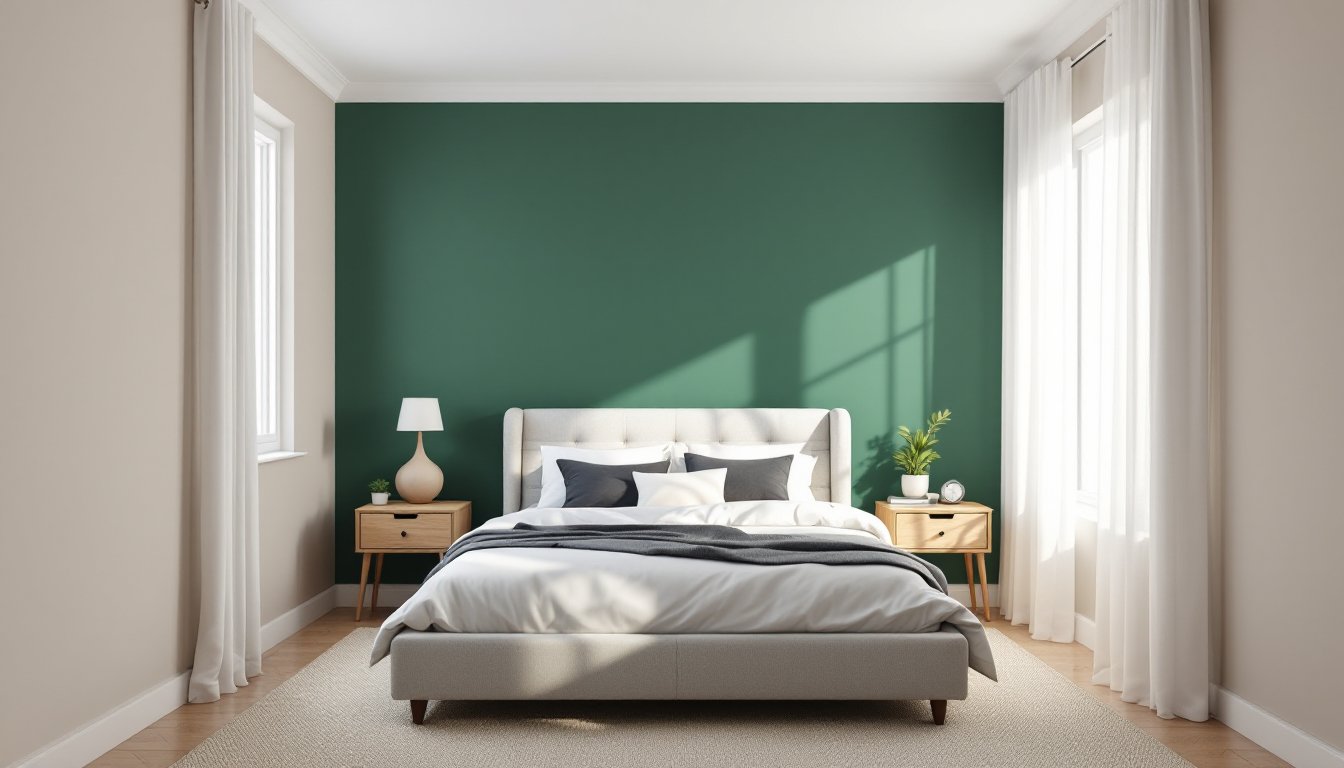
Choosing the right paint for a bedroom goes beyond picking a favorite color. The right palette affects sleep quality, perceived room size, and overall mood. Unlike high-traffic areas that need durable, scrubbable finishes, bedrooms allow for more experimentation with color and texture. This guide covers practical painting strategies, from calming neutrals to bold accent walls, that homeowners can tackle over a weekend. Each approach includes specific paint types, application techniques, and honest assessments of difficulty level. Whether working with a cramped secondary bedroom or a spacious primary suite, the right paint choice makes a measurable difference.
Research on color psychology consistently points to cool tones for promoting relaxation. Soft blues, sage greens, and muted grays reduce visual stimulation, which helps signal the brain that it’s time to wind down.
Specific color recommendations:
For paint finish, use eggshell or matte. Eggshell provides slight washability for bedrooms where kids or pets might leave marks, while matte hides wall imperfections better but shows scuffs more easily. Most bedroom walls don’t face the abuse of hallways or kitchens, so matte works fine in adult spaces.
Application tip: Always paint two coats, even with premium paint. Light colors especially need full coverage to avoid streaking. Let the first coat dry completely (check the manufacturer’s recoat time, usually 2-4 hours) before applying the second.
These palettes work particularly well in south-facing bedrooms where natural light is abundant. In north-facing rooms with cooler light, consider the warmer end of the spectrum (greige, warm taupe) to prevent the space from feeling cold.
Dark, saturated colors create cocoon-like spaces that many find conducive to deep sleep. Navy blue, charcoal gray, forest green, and deep burgundy absorb light rather than reflect it, which reduces glare and creates intimacy.
Key considerations for dark paint:
Paint sheen for dark colors: Use eggshell or satin. These finishes reflect just enough light to keep the color vibrant. Matte finishes on dark walls can look flat and dull, especially in rooms without abundant natural light.
Reality check: Dark paint shows every flaw, dings, roller marks, uneven edges. Wall prep (spackle, sand, prime) takes longer but makes or breaks the final result. If the walls have significant texture or damage, consider hiring a professional for the prep work, then handling the painting.
Dark bedrooms work best in larger spaces (12×12 feet or bigger) where the walls aren’t visually closing in.
An accent wall delivers visual impact without overwhelming the space. The wall behind the bed is the most common choice since it naturally draws the eye and doesn’t compete with windows or closet doors.
Effective accent wall approaches:
Tools needed for pattern work:
Application sequence for taped patterns:
Accent wall mistakes to avoid: Don’t choose a wall with multiple windows, doors, or interruptions. The pattern or color gets chopped up visually. Also, avoid accent walls in rooms smaller than 10×10 feet, they can make tight spaces feel unbalanced.
Horizontal divides (color split along the wall’s midpoint or one-third mark) add architectural interest to plain rectangular rooms. The technique works especially well in rooms with no crown molding or wainscoting.
Standard two-tone approach:
Execution steps:
Multi-color options:
This technique requires a steady hand and attention to detail. Rushed taping jobs result in bleed-through and wobbly lines. Budget an extra half-day compared to a standard single-color paint job.
Paint sheen affects both durability and how light interacts with the wall surface. Most bedrooms don’t need the high-gloss finishes used in kitchens or bathrooms, but the choice still matters.
Sheen options ranked by reflectivity:
Textured paint techniques:
Sponging: Dab a natural sea sponge dipped in a second color over a dry base coat for mottled depth. Works best with colors in the same family (cream over beige, light gray over darker gray).
Rag rolling: Roll a bunched-up rag over wet glaze for a soft, fabric-like texture. Creates subtle variation without obvious pattern.
Skip trowel: Apply joint compound in random swoops with a trowel, let dry, then paint. Adds physical texture that catches light. Note: this is semi-permanent and difficult to remove without re-skimming the wall.
Limewash or chalk paint: Creates a matte, velvety finish with natural color variation. More expensive than standard latex but offers unique depth.
Sheen recommendation by wall condition: For walls with dings, patches, or orange-peel texture, stick with matte or eggshell. These finishes diffuse light and minimize imperfections. For freshly skimmed, smooth walls, satin works beautifully and cleans easily.
Paint can’t physically enlarge a room, but it manipulates how the eye perceives dimensions.
Light colors reflect more light, which makes walls appear to recede. White, pale gray, soft beige, and barely-there blue are standard choices, but they work for a reason.
Specific strategies:
The ceiling color trick: Paint the ceiling one or two shades lighter than the walls, not bright white. The subtle gradation feels expansive without the stark contrast that can make small rooms feel boxy.
Avoid: Dark accent walls in rooms smaller than 10×10 feet. The wall visually advances, making the space feel more cramped. If color is desired, use it on smaller elements like door frames or a shallow alcove.
Monochromatic schemes (varying shades of one color) also expand perceived space by removing visual interruptions. Pair light gray walls with charcoal bedding and medium-gray curtains for depth without clutter.
Prep consideration for small spaces: With less square footage, surface flaws become more noticeable. Invest time in patching nail holes, sanding rough spots, and priming properly. In a 10×10 room, wall prep adds maybe two hours, worth it for a professional-looking result.
Bedroom paint projects offer high visual impact for relatively low cost and moderate effort. Most single-color rooms can be completed in a weekend, while accent walls or multi-tone designs may require an extra day for taping and detail work. The key to success lies in proper surface prep, quality materials, and honest assessment of skill level. Complex techniques like ombré or geometric patterns demand patience, if the timeline is tight, stick with solid colors and invest effort in a flawless finish instead. With the right approach, a few gallons of paint can turn a forgettable bedroom into a space worth spending time in.