Phone:
(701)814-6992
Physical address:
6296 Donnelly Plaza
Ratkeville, Bahamas.

Phone:
(701)814-6992
Physical address:
6296 Donnelly Plaza
Ratkeville, Bahamas.
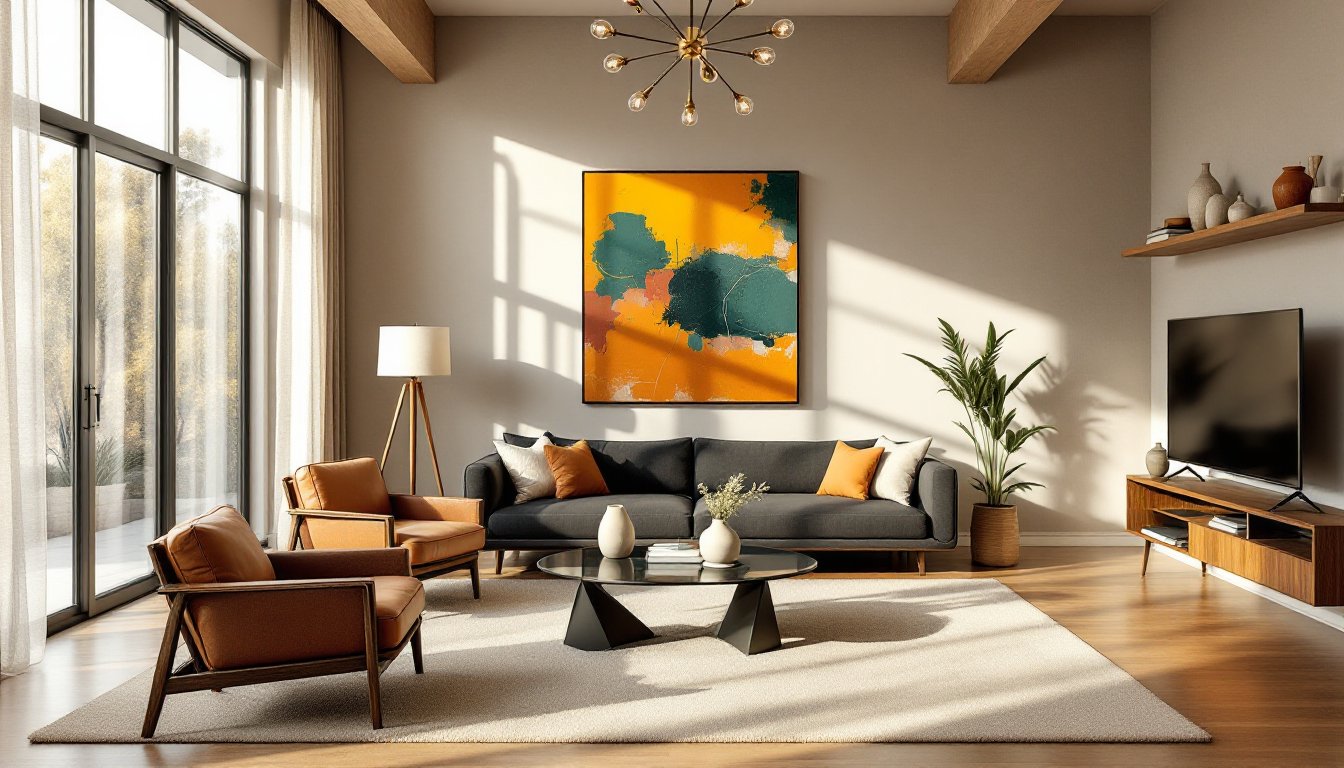
Modern living room design isn’t about chasing trends or filling a space with expensive furniture. It’s about creating a balanced environment where clean lines meet livability, and where every element serves a purpose. Homeowners who understand the core principles of modern interior design can transform a dated living room into a functional, elegant space without needing a contractor or a five-figure budget. This guide breaks down the essential components of modern living room design, from furniture selection and layout strategies to lighting and material choices, with practical steps anyone can carry out.
Modern interior design emerged in the early-to-mid 20th century and remains distinct from contemporary design, though the terms are often used interchangeably. Modern design follows specific principles: simplicity, clean horizontal and vertical lines, minimal ornamentation, and a focus on function over decoration.
In a modern living room, form follows function. Furniture pieces serve clear purposes without unnecessary embellishment. Surfaces remain uncluttered. Architectural elements like exposed beams, large windows, or open floor plans are highlighted rather than hidden. The style rejects heavy drapery, ornate molding, and busy patterns in favor of streamlined profiles and geometric shapes.
Materials lean toward natural elements, wood, leather, stone, and metal, often left in their authentic state rather than painted or distressed. Glass and steel feature prominently, especially in furniture frames and accent pieces. This doesn’t mean cold or sterile: modern spaces balance industrial materials with warm wood tones and soft textiles to maintain comfort.
Color schemes typically start with a neutral foundation: whites, grays, beiges, or blacks. These anchors allow flexibility for accent colors and prevent the space from feeling dated as trends shift. Modern design also embraces negative space, the empty areas around furniture and décor that give a room visual breathing room and prevent it from feeling cramped.
Modern furniture emphasizes low profiles and horizontal orientation. Sofas sit closer to the ground than traditional styles, often with exposed legs (typically wood or metal) rather than skirted bases. Look for pieces with straight edges and geometric shapes, no rolled arms, tufted backs, or carved details.
When selecting a sofa, measure carefully. A standard modern sectional ranges from 96 to 120 inches in total length for an L-shape configuration. Ensure at least 30 to 36 inches of walking space around furniture for comfortable traffic flow. Modular sectionals work well because they can adapt as room needs change.
Coffee tables should complement sofa lines. Popular modern options include:
Keep table height between 16 to 18 inches, roughly level with sofa seat cushions. The table should be about two-thirds the length of the sofa for proper visual proportion.
Storage is critical in maintaining the uncluttered aesthetic. Built-in shelving, low credenzas, or media consoles with concealed storage keep remotes, cables, and miscellany hidden. Floating shelves mounted to wall studs (locate with a stud finder: standard spacing is 16 inches on center) display select items without the visual weight of floor-standing bookcases.
Start with a neutral base: warm grays (greige tones remain popular in 2026), soft whites, or muted beiges on walls. These shades reflect light and make spaces feel larger. If painting, one gallon of quality interior paint typically covers 350 to 400 square feet with one coat, though two coats are recommended for even coverage and durability.
Layer in texture through area rugs, throw pillows, and window treatments, all in the same neutral family but with varied materials. A wool or jute rug adds warmth underfoot, while linen or cotton curtains soften window lines without heavy visual weight.
Introduce one or two accent colors through deliberate choices: a single accent wall, artwork, or a pair of statement chairs. Popular modern accent colors include:
Keep accent applications limited, typically 10 to 20 percent of the room’s visual weight. Too many competing colors fracture the clean, cohesive look modern design requires. If unsure, pull accent colors from a single piece of large-scale artwork and repeat those hues in smaller doses throughout the room.
Layout planning starts with measuring the room and identifying architectural constraints. Note door swings, window placement, registers, and outlets. Modern design often floats furniture away from walls to create conversation zones and improve traffic flow.
For a 12×18-foot living room (a common size), try this arrangement:
If the room includes a fireplace or media center, orient primary seating toward that focal point. Wall-mounted TVs should be installed so the center of the screen sits at eye level when seated, typically 42 to 48 inches from the floor. Use a stud finder and appropriate anchors rated for the TV’s weight: drywall anchors alone won’t support modern flat screens safely.
Open floor plans require zoning. Define the living area with the area rug and furniture arrangement, using the back of a sofa as a visual divider between living and dining spaces. Console tables placed behind a sofa add surface space without blocking sightlines.
Avoid pushing all furniture against walls, this creates a bowling alley effect and wastes usable space. Instead, pull pieces toward the room’s center to create intimacy and purpose in the layout.
Lighting in modern design serves both function and sculpture. Layer three types: ambient, task, and accent lighting.
Ambient lighting provides overall illumination. Recessed LED can lights (typically spaced 4 to 6 feet apart) offer clean, unobtrusive light. For retrofit installations in existing ceilings, battery-operated stud finders and drywall saws make the job manageable for confident DIYers, though running new electrical circuits requires a licensed electrician and permits in most jurisdictions per NEC (National Electrical Code) standards.
Alternatively, modern ceiling fixtures make bold statements. Look for:
Install ceiling fixtures so the bottom sits 7 feet or more above the floor to prevent head clearance issues.
Task lighting includes floor lamps beside reading chairs and table lamps on console or end tables. Modern lamps feature simple shades (linen, metal, or glass) and sculptural bases (tripod wood legs, marble columns, or minimalist metal). Use LED bulbs rated 2700K to 3000K for warm white light that feels inviting.
Accent lighting highlights architectural features or artwork. Picture lights mounted above large canvases, LED strip lighting behind floating shelves, or uplighting in room corners add depth and drama. Dimmer switches (simple to install by replacing standard switches, though all electrical work should follow local codes) allow mood adjustment throughout the day.
Safety note: Always shut off power at the breaker before working with electrical fixtures. Use a non-contact voltage tester to confirm power is off before touching wires. If uncertain about electrical work, hire a licensed electrician, improper wiring creates fire hazards.
Modern design celebrates authentic materials in their natural state. This means less paint, fewer treatments, and more honest material expression.
Wood remains central, particularly walnut, oak, and teak with natural or light stains that show grain. Avoid glossy polyurethane finishes: modern pieces typically use matte or satin protective coats. For DIY furniture projects, nominal 1×4 or 1×6 boards (actual dimensions 3/4″ × 3.5″ and 3/4″ × 5.5″) work well for shelving and simple console builds. Sand to 220-grit smoothness before finishing.
Metal accents include brushed nickel, matte black steel, or warm brass. Hardware, light fixtures, and furniture legs in these finishes tie a room together. Avoid mixing more than two metal finishes in one space to maintain visual cohesion.
Stone and concrete appear in coffee tables, accent walls, or fireplace surrounds. Polished concrete can be DIY-friendly using overlay products applied over existing surfaces, though proper surface prep (thorough cleaning, etching, and priming) determines success. Follow manufacturer instructions for cure times, typically 24 to 48 hours before light foot traffic.
Glass keeps spaces feeling open. Glass coffee tables, shelving, or partition walls maintain sightlines while defining areas. Tempered glass is essential for furniture and any application where breakage could cause injury.
Textiles add necessary warmth. Layer materials:
Avoid heavy, ornate fabrics like brocade or velvet. Modern spaces favor natural fibers with subtle texture rather than bold pattern or sheen. Performance fabrics (often polyester blends with stain resistance) offer durability in high-use living rooms without sacrificing the clean aesthetic.
When combining materials, stick to three to five distinct types throughout the room. Too many competing textures create visual chaos: too few feel flat and one-dimensional. Balance smooth surfaces (glass, polished metal) with textured ones (wood grain, woven textiles, matte stone) to create interest that still feels intentional and controlled.
