Phone:
(701)814-6992
Physical address:
6296 Donnelly Plaza
Ratkeville, Bahamas.

Phone:
(701)814-6992
Physical address:
6296 Donnelly Plaza
Ratkeville, Bahamas.
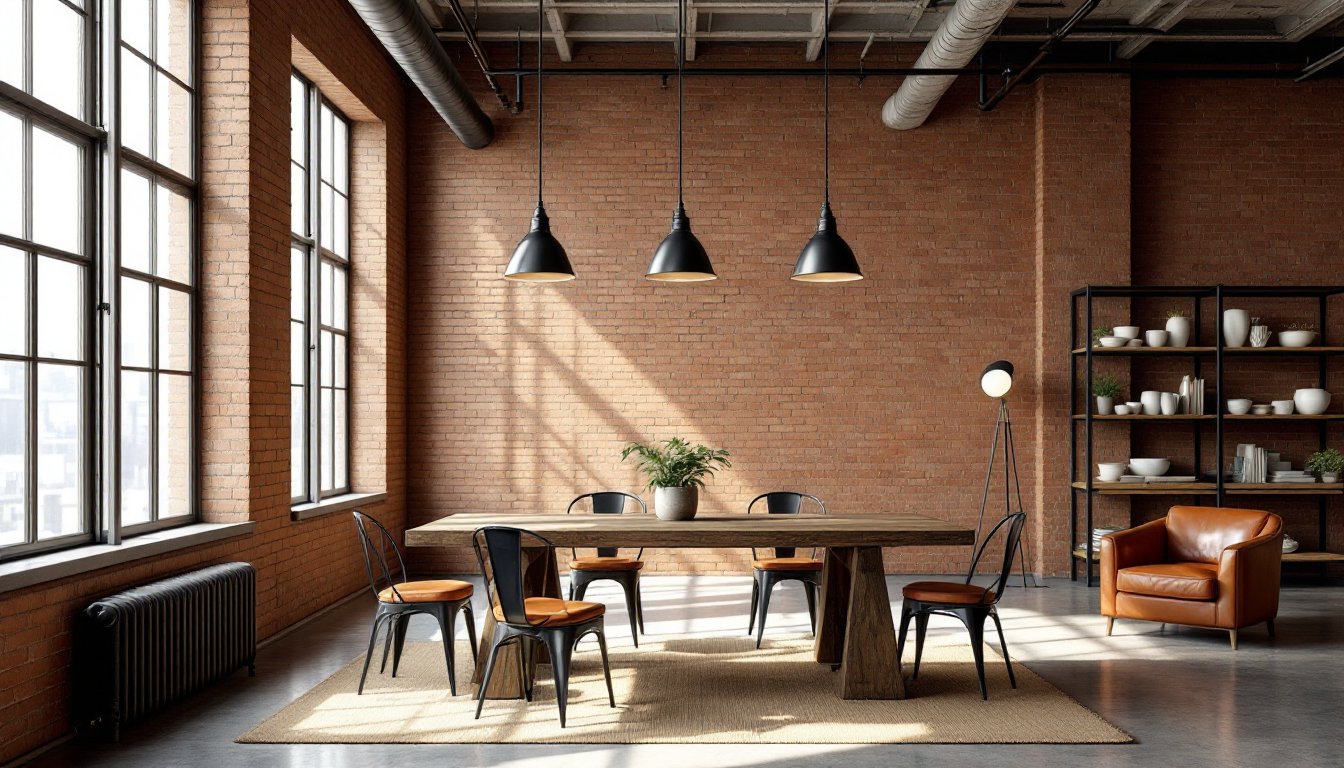
Industrial chic has evolved from urban loft trend to mainstream design staple, blending exposed brick, metal fixtures, and salvaged materials into spaces that feel both rugged and refined. This aesthetic pulls from early 20th-century factories and warehouses, celebrating raw structural elements most homeowners hide behind drywall. The style works in everything from converted downtown condos to suburban ranch homes, provided the execution balances authenticity with livability. Achieving the look requires thoughtful material selection, strategic demolition, and often some structural knowledge, not just shopping for Edison bulbs and calling it done.
Industrial chic marries the utilitarian bones of early industrial buildings with contemporary comfort and design sensibility. The foundation comes from exposed infrastructure: ductwork, steel beams, concrete floors, and brick walls that were originally left visible out of economy, not aesthetics.
Modern industrial chic softens those hard surfaces with warm lighting, textiles, and curated vintage pieces. The goal isn’t to replicate a machine shop but to create living spaces that acknowledge structural honesty while remaining functional for everyday use.
This style gained traction when artists and creatives converted vacant warehouses in New York and London during the 1970s and ’80s. What began as necessity, working with what couldn’t be changed, became intentional design philosophy. Today’s homeowners incorporate industrial elements selectively, often exposing one brick wall or replacing traditional light fixtures with metal pendants rather than gutting entire interiors.
Successful industrial chic avoids theme-park artifice. Faux brick panels and plastic “wood” beams undermine the style’s authenticity. Real materials matter, even if they’re reclaimed or repurposed rather than original to the structure.
The most defining move in industrial design is revealing what traditional construction conceals. Exposed brick walls deliver instant character but require proper sealing, untreated brick sheds mortar dust and absorbs moisture. Use a breathable masonry sealer (not paint) to stabilize the surface while maintaining texture.
Ductwork and pipes work visually when they’re clean and intentional. HVAC ducts should be metal, not flex duct, and painted in matte black or left as galvanized steel. PVC plumbing reads cheap: if exposing water lines, use copper or black iron pipe. This often means rerouting existing systems, a job requiring licensed plumbers and potentially new permits depending on local codes.
Ceiling beams and joists add vertical interest. In older homes, removing drop ceilings may reveal original dimensional lumber or even heavy timber framing worth showcasing. Newer construction typically has engineered lumber (I-joists, LVL beams) that looks less authentic but can be wrapped or painted. Before removing any ceiling material, verify nothing structural is being compromised and check for asbestos in homes built before 1980.
Concrete floors offer durability and thermal mass but need proper sealing. Polished concrete requires diamond grinding equipment and multiple seal coats, not a weekend DIY unless someone has commercial experience. Stained or acid-etched concrete provides texture variation at lower cost and skill requirement.
Authentic industrial spaces layer reclaimed wood, metal accents, and glass to balance warmth against harder surfaces. Salvaged lumber from old barns, factories, or shipping pallets brings weathered texture and often costs less than new hardwood. Verify reclaimed wood is kiln-dried and free of metal fasteners before milling, hidden nails destroy planer blades and pose safety risks.
Steel and iron appear in structural supports, stair railings, shelving brackets, and furniture frames. Raw steel requires clear coat or wax to prevent rust: powder coating offers durable color. Mild steel is easier to work and weld than stainless but needs rust protection in humid climates.
Edison bulbs and wire caging became industrial design clichés, but they work when fixtures feel functional rather than decorative. Look for UL-listed vintage-style bulbs with actual carbon filaments, not LED imitators, if authenticity matters. Caged work lights (trouble lights) make effective pendant fixtures when properly wired with cloth-covered cord and ceramic sockets rated for bulb wattage.
Start by assessing what structural features already exist. Homes built before 1950 often have brick chimneys, solid masonry foundations, or basement walls that can be exposed and incorporated. Removing drywall to expose brick is straightforward demolition, wear a respirator, goggles, and gloves, but generates substantial dust. Seal off adjacent rooms with plastic sheeting and plan for dumpster rental: half-inch drywall plus framing from a 12×15 room fills a 10-yard container.
For homes lacking original industrial features, introduce them through finishes and fixtures rather than fake structure. A polished concrete overlay (1/4-inch thick) can be applied over existing slab or plywood subfloors, giving the appearance of poured concrete without foundation work. This requires proper surface prep: grinding, acid etching, and crack repair. Coverage runs about 100 square feet per 50-pound bag of overlay mix.
Metal-framed windows replace wood or vinyl units to sharpen the industrial feel. Steel or aluminum frames with narrow sightlines mimic factory fenestration. This is a permit-required alteration in most jurisdictions and affects building envelope performance, steel conducts heat faster than vinyl, impacting energy efficiency. Thermal breaks in frame design mitigate this but add cost.
Open shelving using black iron pipe and reclaimed wood planks replaces upper cabinets in kitchens or creates living room displays. Pipe fittings thread together without welding: use 3/4-inch or 1-inch pipe for shelves under 36 inches, 1.25-inch for longer spans. Anchor flanges into wall studs with 3-inch lag screws, not drywall anchors, each shelf bracket should hit solid framing.
Avoid over-theming. One accent wall of exposed brick balances better than four. A single industrial light fixture makes a statement: ten looks like a restaurant supply warehouse.
Industrial palettes center on neutral foundations: grays, blacks, whites, and raw material tones like rust, weathered wood browns, and aged brass. These aren’t sterile neutrals, they carry texture and variation.
Matte black works on metal elements, window frames, and accent walls without feeling heavy when balanced with lighter surfaces. Use low-VOC interior paint formulated for metal if painting steel or iron: standard wall paint won’t adhere properly.
Gray concrete provides the base layer. If painting walls, choose warm grays with brown or taupe undertones rather than cool blue-grays, which read clinical. Sample paint in actual room lighting, north-facing spaces need warmer tones: south-facing rooms handle cooler shades.
Introduce warm accents through leather, aged wood, and textile layers. Cognac or tobacco leather on seating adds warmth without pattern. Reclaimed wood shelving or tables break up metal and masonry. Wool or linen textiles in rust, ochre, or olive tones provide color without clashing against raw materials.
Texture layering prevents industrial spaces from feeling cold. Smooth concrete pairs with rough brick: polished metal contrasts against weathered lumber. A jute rug under a steel-frame coffee table, linen curtains softening black-framed windows, or a chunky knit throw over leather seating all build tactile variety.
Limit saturated colors to small doses, a burnt orange accent chair or deep teal cabinet works because it’s singular. Industrial chic relies on restraint: the materials provide enough visual interest without competing color.
Furniture should reference industrial origins without sacrificing comfort. Metal-framed pieces with wood or leather surfaces hit the aesthetic: steel dining tables with planked tops, iron bed frames, wire grid shelving. Factory carts on casters, machinist tool chests, and vintage metal lockers work as storage if properly cleaned and refinished.
Look for mixed materials in individual pieces. A dining bench with steel hairpin legs and walnut seat, or a coffee table combining reclaimed beam wood with powder-coated steel base, embodies the style better than all-metal or all-wood items.
Seating needs upholstery. Leather club chairs, canvas sling chairs, or even tufted sofas in muted tones provide necessary softness. Avoid overly distressed or “industrial farmhouse” hybrids that dilute the aesthetic.
Lighting defines industrial spaces more than any other element. Pendant fixtures with metal shades (gooseneck, barn-style, or dome reflectors) work over islands, dining tables, and in clusters. Track lighting with adjustable heads offers flexibility for renters or those avoiding ceiling rework. Wall-mounted swing-arm lamps (like drafting lights or articulated task lights) provide functional task lighting while reinforcing the utilitarian theme.
Choose filament bulbs carefully. True carbon-filament bulbs produce warm, dim light (around 2200K color temperature, 30-60 lumens). LED filament imitations offer better efficiency and brightness (2700K, 400+ lumens) with similar appearance. Match bulb wattage to fixture ratings, many vintage-style fixtures max out at 40-60 watts.
Floor lamps work best as tripod designs with metal legs and simple shades, or repurposed industrial task lights (photographer’s lights, mechanic’s lamps). Avoid ornate bases or fussy shades that conflict with the streamlined aesthetic.
Safety note: When rewiring vintage fixtures or building custom lights from salvaged parts, ensure all components are UL-listed and properly grounded. Use cloth-covered wire rated for fixture heat and bulb wattage. If unsure about electrical work, hire a licensed electrician, improper wiring causes house fires.
